
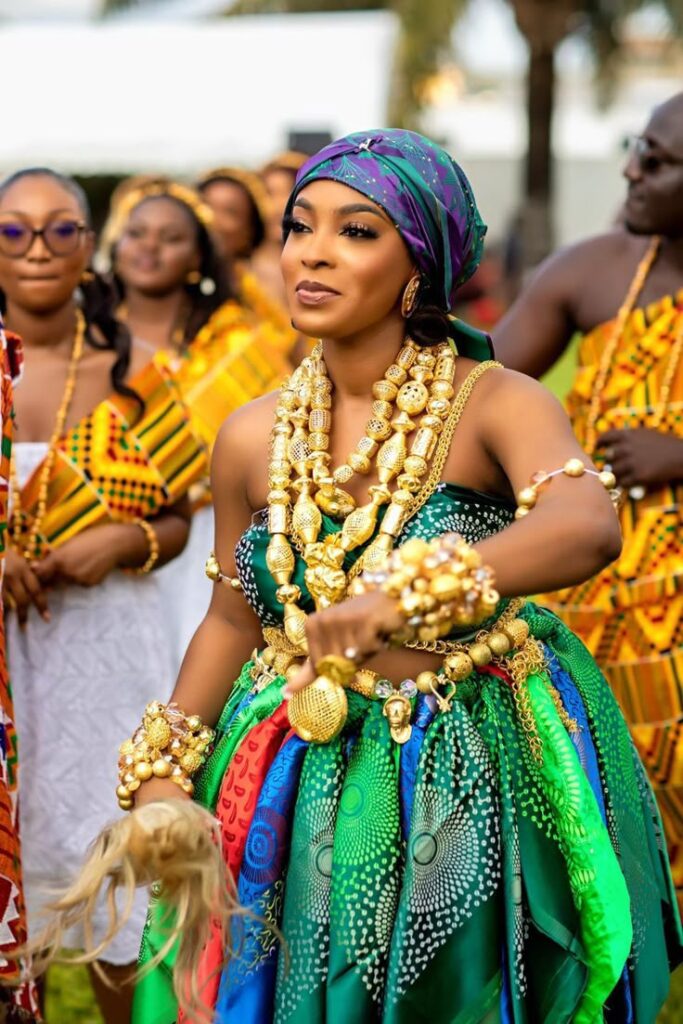
Ghana is one of the most festival-rich countries in Africa. Barely a month passes without a major cultural celebration somewhere — harvest thanksgivings, royal durbars, deer hunts, street art explosions, pan-African gatherings, fishing blessings, and the mother of all end-of-year parties in December. If you time your trip right, you will stumble into something that no guidebook could fully prepare you for.
This guide covers the festivals that matter most to British and international visitors: the big draws, the hidden gems, and the ones genuinely worth planning a flight around. For each festival we have included what it is, when it happens, where it takes place, and what you actually need to know as an outsider who wants to watch — and in many cases, join in. If you are still deciding when to travel, our month-by-month Ghana weather and travel guide covers how the seasons interact with the festival calendar.
Annual Festival Quick Planner
Use this table to plan your trip around Ghana’s cultural calendar. Ratings reflect visitor-experience potential — not cultural importance.
| Month | Festival | Location | Visitor Appeal |
|---|---|---|---|
| Feb | Dipo Festival | Odumase Krobo, Eastern Region | ★★★☆☆ Cultural |
| March | Ghana Heritage Month | Nationwide | ★★★★☆ Good timing |
| April | Kwahu Easter Festival | Kwahu Plateau, Eastern Region | ★★★★★ Spectacular |
| May | Aboakyir (Deer Hunt) | Winneba, Central Region | ★★★★★ Must-see |
| May/Jun | Akwasidae Festival | Kumasi, Ashanti Region | ★★★★★ Royal |
| July | Bakatue Festival | Elmina, Central Region | ★★★★☆ Fishing culture |
| Jul–Aug | PANAFEST | Cape Coast & Elmina | ★★★★★ Diaspora pilgrimage |
| Aug 1 | Emancipation Day | Assin Manso + Cape Coast | ★★★★★ Deeply moving |
| August | Homowo Festival | Accra (Ga communities) | ★★★★☆ In Accra |
| August | Chale Wote Street Art | James Town, Accra | ★★★★★ Urban & vibrant |
| Sept | Odwira Festival | Akropong & Ashanti towns | ★★★★☆ Royal durbar |
| Sept | Fetu Afahye | Cape Coast, Central Region | ★★★★☆ Colourful |
| Nov | Hogbetsotso Festival | Anloga, Volta Region | ★★★☆☆ Off the beaten track |
| December | Detty December | Accra + nationwide | ★★★★★ Party of the year |
The Festivals — In Depth
Easter in Ghana is not a quiet, reflective affair. In Kwahu — a plateau town in the Eastern Region with extraordinary cliff-edge views — it explodes into four days of paragliding, concerts, celebrity sightings, jollof rice at scale, and tens of thousands of Ghanaians returning home from Accra, Kumasi, and abroad. Internationally it is one of the least-known major events in West Africa. Among Ghanaians it is simply the biggest weekend of the year.
- Book accommodation in or near Kwahu (towns of Mpraeso or Nkawkaw) months in advance — everything fills up fast. Check Booking.com for Kwahu area options.
- The paragliding display over the escarpment is the visual centrepiece. Tandem flights can be booked on the day but sell out — enquire locally on arrival.
- Hire a local driver who knows the Kwahu roads — the plateau ascent is steep and traffic on Easter Sunday is extraordinary. Read our Ghana transport guide for getting around.
- The celebrity concert on Easter Saturday draws major Ghanaian musicians. Tickets sell out — buy in advance via local promoters on social media.
Two rival Asafo warrior companies — Tuafo and Denkyefo — compete each year to be the first to catch a live deer and present it to the chief. In the past the hunt was for leopards. The first company to return with a live deer wins the year’s honour. What follows is a grand durbar of chiefs, warrior processions, drumming, dancing, and celebration in Winneba’s central square. As a visitor you can watch the procession return — the energy when a company arrives with the deer is electric. The Ghana National Commission on Culture lists Aboakyir among the country’s most significant annual festivals.
- Arrive in Winneba the evening before (Friday) to secure a good viewing spot for the morning procession.
- The hunt begins at dawn. The town erupts when a company returns victorious — usually mid-morning.
- Winneba is an easy day trip from Accra or a natural stop on the way to Cape Coast the following day.
- Dress respectfully. Chiefs and elders are present in full ceremonial regalia throughout the durbar.
Akwasidae is not a single annual festival — it is a recurring ceremony in the Ashanti 42-day calendar cycle. On Akwasidae Sundays, the Asantehene (King of the Ashanti) holds court at Manhyia Palace in Kumasi. Chiefs from across the kingdom arrive in full regalia — silk kente, gold jewellery, palanquins carried on shoulders, elaborate umbrellas, court musicians. It is the closest thing to a living medieval royal court you will see anywhere in the world, fully functioning in 2025. Tourists are welcome to observe from the palace courtyard. To understand the significance of the kente worn at these ceremonies, read our guide to traditional Ghanaian clothing styles and their meanings.
- Check the Ashanti calendar online before you travel — Akwasidae falls roughly every 6 weeks and dates shift year to year.
- Arrive at Manhyia Palace by 9:30am. The procession of chiefs typically begins around 10–11am.
- Photography is generally permitted in the outer courtyard. Always ask before pointing a camera at elders or chiefs.
- Combine with Kumasi’s Kejetia Market and the Prempeh II Jubilee Museum for a full cultural day in the Ashanti capital.
PANAFEST is Ghana’s most internationally significant cultural festival — one of the most important pan-African gatherings in the world. Founded in 1992 and inspired by playwright Efua Sutherland, it brings together Africans from the continent and the diaspora for theatre, music, academic symposiums, and candlelit memorial processions at Cape Coast Castle and Elmina Castle. The Reverential Night — a candlelit procession through the castle grounds with wreath-laying for ancestors — is one of the most emotionally powerful public events anywhere in Africa. PANAFEST runs every two years. For any visitor with an interest in African history or the legacy of the slave trade, this is the single most powerful event on the Ghana calendar. Check the official PANAFEST website for confirmed dates and programme details.
- Book accommodation in Cape Coast months in advance — PANAFEST draws thousands of visitors from across the diaspora.
- The Reverential Night at Cape Coast Castle (candlelit procession, wreath-laying ceremony) is the most moving single event of the entire festival. Do not miss it.
- Emancipation Day (August 1) runs alongside PANAFEST and includes a grand durbar of chiefs at the Assin Manso Slave River site.
- PANAFEST is biennial — confirm the schedule at panafest.org.gh before booking flights.
On August 1st each year, Ghana marks Emancipation Day — Africa’s first national commemorative holiday dedicated to the memory of the transatlantic slave trade. The main ceremony takes place at the Assin Manso Ancestral Slave River, about 50km north of Cape Coast, where enslaved Africans were given their final bath before being marched to the coast. Two diaspora members — one Jamaican, one American — are buried here, returned in 1998 as a symbol of homecoming. The ceremony includes a grand durbar of chiefs, cultural performances, and a deeply moving memorial service. In PANAFEST years the two events form a single 10-day experience unlike anything else in West Africa. To understand the full context, read our complete guide to Ghana’s slave castles, including what to expect emotionally and how to get to Cape Coast from Accra.
- Assin Manso is roughly 50km north of Cape Coast — arrange transport in advance as public taxis are limited on August 1.
- The Grand Durbar of Chiefs is a spectacular visual event in its own right, with chiefs arriving from across Ghana in full regalia.
- August 1 is a national public holiday in Ghana — many businesses and services are closed. Plan meals and transport accordingly.
Homowo means “hooting at hunger” in Ga. The festival commemorates a historic famine in pre-colonial Ga history and the community’s survival of it. The central ritual involves chiefs and family heads sprinkling kpokpoi — a dish made from fermented corn and palm nut soup — in the streets, homes, and at ancestral burial sites to feed the spirits of the dead. The streets of Ga Mashie fill with drumming, singing, and community feasting. As an outsider, the most accessible entry point is through a Ga family — Ghanaians are extraordinarily hospitable during festivals. You can also read our guide to Ghanaian celebrations and traditions for broader cultural context. The Ghana Tourism Authority publishes the exact Homowo dates each year.
- The kpokpoi sprinkling is a private family ritual — observe respectfully and do not photograph without asking permission first.
- James Town (Ga Mashie) is where the most traditional celebrations happen. A local walking tour guide adds enormous value here.
- Homowo often overlaps with Chale Wote Street Art Festival — both events in the same week makes for an extraordinary few days in Accra.
Chale Wote is annual proof that Accra has one of the most vibrant contemporary art scenes on the continent. For two to three days, the colonial streets of James Town transform into a living gallery — murals painted on crumbling walls, fire performers, fashion installations, avant-garde street theatre, Afrobeats pounding from rooftops, food vendors, photographers, printmakers, and tens of thousands of people. Founded in 2011 by the Accra[dot]Alt collective, it has grown into West Africa’s most exciting arts festival. Entry is completely free. The contrast with James Town’s faded colonial architecture makes the whole thing electric — and James Town itself, with its boxing clubs, fishing canoes, and old lighthouse, is worth exploring beyond the festival.
- Wear comfortable shoes and expect to walk several kilometres — the festival sprawls across multiple streets and alleyways.
- Photography is encouraged and expected; this is a festival built for sharing and visual storytelling.
- Go in the morning for the art installations; stay for the evening when the music and energy peaks dramatically.
- James Town is in central Accra — read our guide to getting around Accra for transport options from the airport or your hotel.
Odwira is the Akan festival of harvest and purification — a time when communities cleanse the ancestral stools (sacred royal seats), give thanks for the harvest, and reconnect with the ancestors. The most spectacular element for visitors is the royal durbar of chiefs: full Ashanti regalia, kente robes, gold ornaments, palanquins, court umbrellas, and drumming ensembles performing throughout the day. Different towns celebrate on different September dates. Akropong in the Eastern Region and various Kumasi-area towns hold impressive durbars that welcome visitors. For context on the significance of the regalia worn, see our guide to traditional Ghanaian clothing and their meanings. The Ghana National Commission on Culture publishes community-specific Odwira dates each year.
- Confirm dates locally — Odwira is not fixed on a single day and varies by community and region.
- The Akropong Odwira in the Eastern Region is particularly accessible for visitors staying in Accra (about 45 minutes by road).
- Dress smartly and modestly — chiefs and elders are present throughout and respectful clothing is expected.
Fetu Afahye is Cape Coast’s own annual festival, commemorating a historic epidemic that once struck the town and celebrating the community’s survival. The festival opens the fishing season and includes purification rituals, a grand durbar of chiefs in full regalia, cultural performances, and street celebrations throughout Cape Coast. Because Cape Coast is already on most itineraries for the slave castle visits, Fetu Afahye is an easy festival to catch without extra travel. Our guide to Kakum National Park covers how to combine the canopy walkway with a Cape Coast trip — a natural addition to a Fetu Afahye visit.
- The grand durbar on the main festival Saturday is the centrepiece — chiefs arrive from across the entire Central Region.
- Cape Coast accommodation fills quickly during Fetu week. Book well in advance and check Booking.com for Cape Coast hotels.
- The festival combines naturally with Cape Coast Castle and a day trip to Elmina (just 20 minutes along the coast).
Bakatue marks the official opening of the fishing season in Elmina, and it is one of the most visually arresting events on Ghana’s coast. The festival begins when a chief casts a ceremonial net into the Elmina lagoon, blessing the waters and giving permission for the year’s fishing to begin. What follows is a durbar of chiefs, cultural performances, and community celebration — all against the backdrop of Elmina Castle, the active fishing harbour, and hundreds of brightly painted pirogues. Bakatue is less touristically developed than the bigger festivals, which means it feels more authentic and far less crowded.
- Bakatue is on a Tuesday — plan for a midweek trip from Cape Coast (20 mins away) or from Accra.
- Arrive early to watch the ceremonial net-casting on the lagoon — this is the centrepiece moment.
- Combine with an afternoon visit to Elmina Castle and a sunset walk along the harbour fish market.
Hogbetsotso means “the festival of exodus” — it commemorates the migration of the Anlo-Ewe people from Notsie (in present-day Togo) to the Volta Region of Ghana centuries ago. The celebration features traditional Ewe drumming, dancing (including the acrobatic Agbadza and Adzogbo dances), royal processions, and community feasting. It is one of the least-visited major festivals in Ghana by international tourists, which makes it genuinely immersive rather than performative. Anloga sits on the Keta Lagoon — a beautiful and unusual stretch of coast well worth visiting regardless of the festival. The Volta Region is one of Ghana’s most underexplored areas for international visitors.
- A 4WD vehicle helps for the Anloga area — roads near the lagoon can be rough, particularly after rain.
- The Keta area (Keta, Anloga, Denu) is seriously undervisited and fascinating to explore at a slow pace.
- Combine with a visit to Fort Prinzenstein in Keta, one of Ghana’s lesser-known but historically significant slave forts.
Detty December is not a single festival — it is Ghana’s entire December cultural and social season, and it has become one of the most celebrated events in the African diaspora world. Each December, tens of thousands of visitors from the UK, US, Canada, the Caribbean, and across Africa fly to Accra for a month of concerts, pool parties, beach events, fashion shows, art exhibitions, food festivals, and club nights. Major Afrobeats artists perform at outdoor concerts drawing crowds of 20,000+. The city’s energy from mid-December through New Year’s Eve is unlike anything else in West Africa. Afro Nation Ghana (Laboma Beach, late December) is one of the headline events within the wider Detty December season.
- Book flights 3–6 months in advance for December. Prices spike dramatically and Accra–London routes sell out entirely. Check Google Flights for price alerts.
- Book accommodation equally early — Airbnbs in East Legon, Airport Residential, and Cantonments fill up months ahead. Read our Ghana travel tips for accommodation advice.
- Concert tickets sell out fast — follow Ghana-based promoters on Instagram for early announcements and presale links.
- The week between Christmas and New Year is the most intense — this is when the biggest concerts and events happen.
- December coincides with harmattan — dusty, dry, and cooler evenings. Pack a light layer for nights out.
How to Make the Most of Ghana’s Festivals
What to Wear
Ghana’s festivals are formal occasions in terms of cultural respect — even when the atmosphere is joyful and energetic. A few important ground rules:
- Do not wear black to festivals celebrating life, harvest, or joy — black is associated with mourning in many Ghanaian cultures.
- White and bright colours are generally welcomed and appropriate at most celebrations.
- Kente cloth or a batakari (smock from Northern Ghana) worn by a visitor is almost always received with delight rather than offence — buy from local artisans rather than tourist shops. Our guide to traditional Ghanaian clothing explains what different fabrics and patterns mean.
- For royal durbars, dress smartly and modestly. Casual tourist clothing (shorts, flip-flops) is not appropriate close to chiefs and elders.
How to Behave Around Chiefs & Elders
- Do not walk between a chief and whoever he is addressing.
- Remove your hat or cap in the presence of a chief.
- Do not point with your finger — use an open hand to gesture instead.
- Always ask permission before photographing individuals, especially during ceremonies or rituals.
- Accept any food or drink offered, even if you just take a small sip — refusal can be considered disrespectful.
Getting to Festival Towns
Most of Ghana’s major festivals happen outside Accra — in Cape Coast, Kumasi, Winneba, Kwahu, Elmina, and beyond. From Accra you can reach most Central and Eastern Region festival towns in 2–4 hours by bus or private hire. Our Ghana transport guide covers buses, taxis, trotros, and private hire in detail.
- VIP Jeoun and STC buses are reliable and air-conditioned for Cape Coast and Kumasi. Book ahead during festival weeks as seats fill fast.
- Private driver hire is worth the cost on festival weekends — parking and navigation in festival towns is chaotic and stressful.
- Accommodation: Book at least 2–3 months in advance for major festivals. Prices often double during peak festival weeks. Booking.com Ghana is the most reliable platform for advance reservations.
Planning Multiple Festivals in One Trip
A two-week trip can catch two or three festivals if timed correctly. Some particularly strong combinations:
- July–August trip: PANAFEST (Cape Coast) + Emancipation Day (Assin Manso) + Homowo (Accra) + Chale Wote (Accra). Arguably the best two-week cultural itinerary in all of West Africa.
- May trip: Aboakyir Deer Hunt (Winneba, first Saturday) + Cape Coast Castle + Elmina Castle. Add an Akwasidae Sunday in Kumasi if timing aligns — check the Ashanti calendar in advance.
- December trip: Detty December covers the entire month. Add a long weekend in Cape Coast or Kumasi for cultural contrast with Accra’s party atmosphere.