
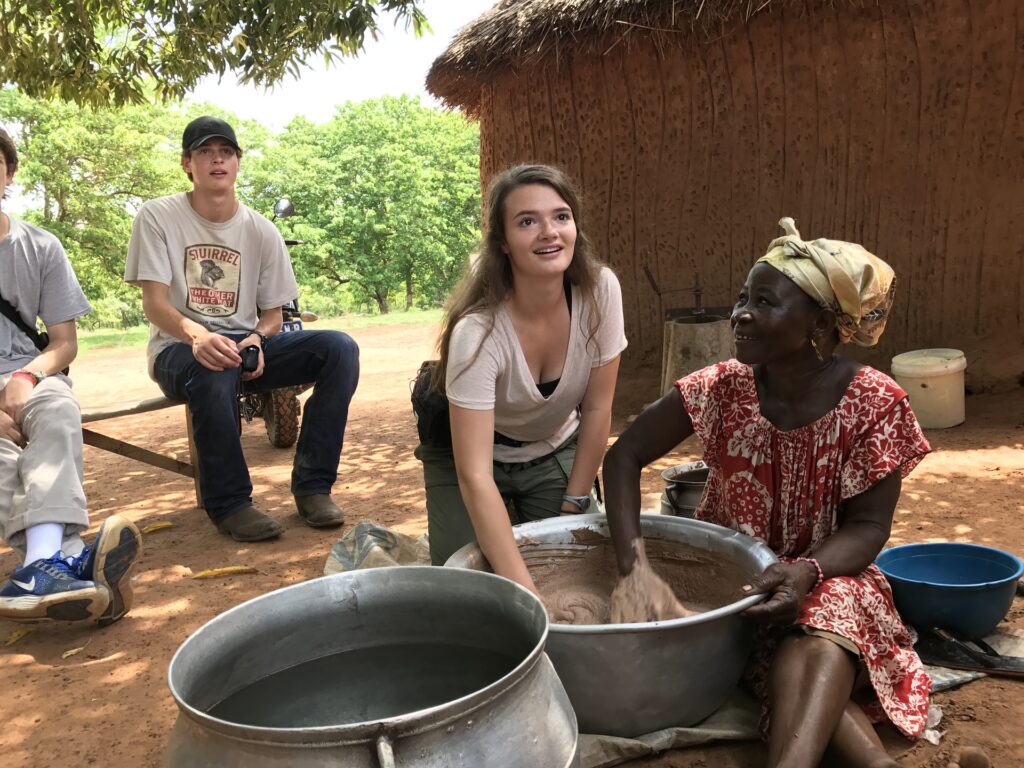
Quick Answer: Yes, Ghana Is Safe for American Tourists
Ghana ranks as one of Africa’s safest countries for tourists, with a Global Peace Index ranking of #43 (compared to #123 for South Africa). The US State Department rates Ghana at Level 1: Exercise Normal Precautions – the same as countries like Germany and Japan.
Key Safety Facts:
- Violent crime against tourists: Extremely rare (less than 0.01% of visitors)
- Political stability: Peaceful democracy since 1992
- Health infrastructure: Good in major cities
- Tourist police: Dedicated units in major areas
- English-speaking: Easy to get help when needed
That said, like any international destination, Ghana has its challenges. This guide provides honest, practical advice to ensure your trip is both safe and enjoyable
Current Safety Situation in Ghana (2025 Update)
US State Department Rating
Current Level: 1 – Exercise Normal Precautions
- Same as: UK, Germany, Japan, South Korea
- Better than: Level 2 countries (France, Spain, Italy)
- Last updated: January 2025
Comparative Safety Rankings
| Safety Metric | Ghana | Kenya | South Africa | USA |
|---|---|---|---|---|
| Global Peace Index | #43 | #117 | #123 | #131 |
| Crime Index | 43.8 (Moderate) | 60.1 (High) | 76.9 (Very High) | 47.8 (Moderate) |
| Safety Walking Alone (Day) | 85% feel safe | 60% feel safe | 40% feel safe | 75% feel safe |
| Safety Walking Alone (Night) | 58% feel safe | 35% feel safe | 20% feel safe | 50% feel safe |
Recent Developments (2025)
Improvements:
- New tourist police units deployed in Accra and Cape Coast
- Upgraded emergency response systems
- Better street lighting in major tourist areas
- Increased CCTV coverage in cities
Ongoing Concerns:
- Petty theft in crowded areas
- Traffic accidents remain leading safety risk
- Occasional internet scams
- Border regions require extra caution
Crime and Personal Safety for Americans
Types of Crime Affecting Tourists
Petty Crime (Most Common)
Frequency: Occasional Risk Level: Low to Moderate
Common incidents:
- Pickpocketing in markets
- Bag snatching from motorcycles
- Theft from unattended beaches
- Hotel room theft (rare)
Prevention:
- Use money belts for valuables
- Carry copies, not originals
- Don’t flash expensive items
- Use hotel safes
- Stay alert in crowds
Violent Crime (Very Rare)
Frequency: Extremely rare against tourists Risk Level: Very Low
Statistics:
- Armed robbery of tourists: <10 cases annually
- Assault on tourists: <0.01% of visitors
- Kidnapping: No recent cases involving American tourists
- Homicide: Virtually unknown for tourists
Reality Check: You’re statistically safer in Accra than in many major US cities.
Crime Statistics Comparison
| Crime Type | Accra | New York | Los Angeles | Chicago |
|---|---|---|---|---|
| Violent Crime Rate | 32 per 100k | 538 per 100k | 761 per 100k | 1,098 per 100k |
| Robbery Rate | 18 per 100k | 222 per 100k | 251 per 100k | 359 per 100k |
| Tourist Targeted | <1% | 2-3% | 2-3% | 3-4% |
Real Safety vs Perceived Risk
What Americans Worry About:
- Armed robbery (extremely rare)
- Kidnapping (virtually non-existent)
- Terrorism (no active threat)
- Disease outbreaks (well-controlled)
What Actually Happens:
- Traffic accidents (main risk)
- Stomach issues from food/water
- Sunburn and heat exhaustion
- Petty theft (preventable)
Safe vs Less Safe Areas in Ghana
Safest Areas for American Tourists
Accra – Safe Neighborhoods
Airport Residential Area
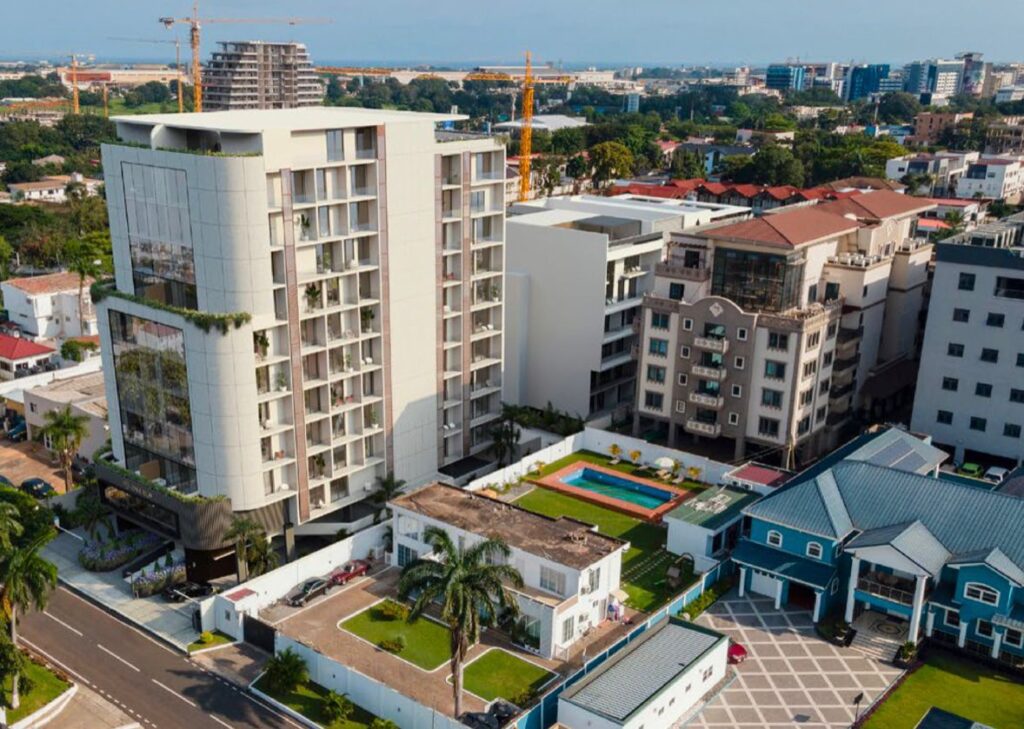
- Safety Rating: 9/10
- Expat-heavy, well-patrolled
- Good lighting, security presence
- Safe for walking day and night
Osu (Oxford Street)
- Safety Rating: 8/10
- Tourist-friendly, busy area
- Safe during day, caution at night
- Many restaurants and shops
Labadi/La
- Safety Rating: 8/10
- Beach area, resort zone
- Well-developed, tourist police
- Avoid beach at night alone
East Legon
- Safety Rating: 9/10
- Upscale residential
- Very safe, quiet
- Good for families
Cape Coast – Safe Areas
City Center
- Safety Rating: 8/10
- Tourist infrastructure
- Daytime very safe
- Well-lit main areas
Beach Resorts
- Safety Rating: 9/10
- Secured properties
- Private beach areas
- Tourist police nearby
Areas Requiring Extra Caution
Accra – Be Careful
Jamestown
- Safety Rating: 6/10
- Historic but crowded
- Go with guide
- Avoid after dark
Nima/Mamobi
- Safety Rating: 5/10
- Local areas, poverty
- Not tourist-friendly
- Avoid unless with locals
Agbogbloshie Market
- Safety Rating: 4/10
- Electronic waste area
- Health hazards
- Not recommended
Border Areas
Ghana-Burkina Faso Border
- Safety Rating: 5/10
- Security concerns
- Terrorism risk (low but present)
- Check current advisories
Ghana-Togo Border
- Safety Rating: 7/10
- Generally safe
- Scam risk at crossing
- Use official crossings only
Safety by Time of Day
| Location | 6AM-12PM | 12PM-6PM | 6PM-10PM | 10PM-6AM |
|---|---|---|---|---|
| Tourist Areas | Very Safe | Very Safe | Safe | Use Caution |
| Markets | Safe | Safe | Closing | Avoid |
| Beaches | Safe | Very Safe | Use Caution | Avoid |
| Residential | Very Safe | Very Safe | Safe | Safe (quiet areas) |
| Downtown | Safe | Safe | Use Caution | Take Uber |
Common Scams Targeting American Tourists
1. The “Official” Helper Scam
How it works: Someone in quasi-official clothing offers to help at airport/attraction The catch: Demands large tip after “helping” Prevention: Only use uniformed, badge-wearing officials
2. Friendship Bracelet Scam
How it works: “Friend” ties bracelet on your wrist, then demands payment The catch: Won’t remove until paid Prevention: Keep hands in pockets, firmly decline
3. Fake Chiefs and Royalty
How it works: Claims to be chief/prince, offers special access/land The catch: Requests money for “ceremonies” or “documentation” Prevention: Real chiefs don’t solicit tourists on streets
4. Currency Exchange Scams
How it works: Black market offers better rates The catch: Counterfeit bills or short-changing Prevention: Only use banks/forex bureaus
5. Taxi Overcharging
How it works: No meter, inflated prices for Americans The catch: Pay 5-10x normal rate Prevention: Use Uber/Bolt or agree price beforehand
6. Romance Scams
How it works: Quick romantic interest, especially online before arrival The catch: Eventually asks for money/gifts Prevention: Be skeptical of instant romance
7. Donation Scams
How it works: Collecting for orphanage/school The catch: Money doesn’t reach intended recipients Prevention: Donate through established NGOs
8. Gold and Diamond Scams
How it works: Incredible deals on gold/diamonds The catch: Fake or illegal goods Prevention: Don’t buy precious metals/gems from individuals
Red Flags to Watch For:
- Unsolicited approaches in tourist areas
- Pressure to decide immediately
- Requests for upfront payment
- Stories that seem too good/bad to be true
- Anyone who gets angry when you say no
Health and Medical Safety
Required Vaccinations
Mandatory:
- Yellow Fever (required for entry)
CDC Recommended:
- Hepatitis A and B
- Typhoid
- Meningitis
- Routine vaccines (MMR, DPT, flu)
- COVID-19 (fully vaccinated)
Consider:
- Rabies (if rural travel)
- Japanese Encephalitis (rare)
Malaria Risk and Prevention
Risk Level: Moderate to High Peak Season: Rainy season (April-October)
Prevention Methods:
- Prophylaxis (Choose one):
- Malarone: $5-7/day (fewer side effects)
- Doxycycline: $1-2/day (sun sensitivity)
- Mefloquine: Weekly (vivid dreams)
- Mosquito Prevention:
- DEET repellent (30%+)
- Permethrin-treated clothing
- Mosquito nets in rural areas
- Air-conditioned rooms
- Cover up at dawn/dusk
Malaria Statistics:
- Tourist infection rate: <1% with prevention
- Without prevention: 10-15% risk
- Treatable if caught early
Common Health Issues for Americans
| Issue | Frequency | Severity | Prevention |
|---|---|---|---|
| Traveler’s diarrhea | 40% of visitors | Mild-Moderate | Bottled water, careful food choices |
| Heat exhaustion | 15% of visitors | Mild | Hydration, rest, shade |
| Sunburn | 25% of visitors | Mild | SPF 50+, cover up |
| Malaria | <1% with prevention | Serious | Prophylaxis, mosquito prevention |
| Food poisoning | 10% of visitors | Moderate | Eat at reputable places |
Medical Facilities
Accra – International Standard:
- Nyaho Medical Centre: US-standard care
- Airport Women’s Hospital: Modern facilities
- Sweden Ghana Medical Centre: European standard
- International SOS Clinic: For emergencies
Costs:
- Doctor consultation: $30-50
- Emergency room: $100-200
- Evacuation insurance: Recommended
Food and Water Safety
Safe to Consume:
- Bottled water (widely available)
- Hot, cooked foods
- Fruits you peel yourself
- Packaged snacks
- Hot tea/coffee
- Canned/bottled beverages
Avoid:
- Tap water (even for brushing teeth initially)
- Ice in local establishments
- Raw vegetables/salads
- Street vendor ice cream
- Undercooked meat/seafood
- Cut fruit from vendors
Transportation Safety
Safest Transportation Options (Ranked)
1. Uber/Bolt (Safest)
- Safety Rating: 9/10
- GPS tracked
- Driver ratings
- Cashless payment
- Price predetermined
- Available in major cities
2. Hotel/Tour Transport
- Safety Rating: 9/10
- Professional drivers
- Insured vehicles
- Known providers
- More expensive
3. Registered Taxis
- Safety Rating: 7/10
- Look for taxi association stickers
- Negotiate price first
- Avoid unmarked cars
- Don’t share with strangers
4. Domestic Flights
- Safety Rating: 8/10
- Africa World Airlines (good record)
- Passion Air (reliable)
- 1-hour vs 12-hour bus
5. VIP/STC Buses
- Safety Rating: 7/10
- Long-distance travel
- Air-conditioned
- Scheduled services
- Occasional accidents
6. Tro-Tros (Local Minibuses)
- Safety Rating: 5/10
- Overcrowded
- Erratic driving
- Cultural experience
- Very cheap
7. Motorcycles (Okada)
- Safety Rating: 3/10
- Not recommended
- No helmets usually
- Dangerous driving
- Last resort only
Road Safety Statistics
Ghana’s road safety challenges:
- Traffic fatalities: 26 per 100,000 (US: 12 per 100,000)
- Main causes: Speeding, poor road conditions, vehicle maintenance
- Worst times: Night driving, rainy season
Safety Tips:
- Avoid night travel outside cities
- Wear seatbelts always
- Don’t pressure drivers to speed
- Check vehicle condition before long trips
- Consider flying for long distances
Women’s Safety in Ghana
Overall Safety for Female Travelers
Ghana ranks well for solo female travel:
- Safer than many African countries
- Respectful culture generally
- Low sexual assault rates
- Many successful solo female travelers
Real Experiences from American Women
“I spent 3 weeks solo in Ghana and felt safer than in many US cities. The respect for women, especially older women, is remarkable.” – Sarah, 34, California
“Yes, you’ll get attention as a foreign woman, but it’s mostly harmless. A firm ‘no thank you’ is respected.” – Jennifer, 28, New York
Challenges Women Face
Common Issues:
- Unwanted attention (mostly verbal)
- Marriage proposals (cultural, not threatening)
- Assumptions about availability
- Staring (curiosity more than threat)
Rare but Possible:
- Groping in very crowded places
- Aggressive vendors
- Inappropriate comments
Safety Strategies for Women
Clothing:
- Dress modestly (shoulders/knees covered)
- Reduces unwanted attention by 80%
- Carry scarf for religious sites
- Swimwear only at beaches/pools
Behavior:
- Confident body language
- Avoid excessive friendliness (misinterpreted)
- Mention husband/boyfriend (even if fictional)
- Join women’s travel groups
Accommodation:
- Choose well-reviewed hotels
- Upper floors preferred
- Check door locks work
- Avoid ground floor rooms
Transportation:
- Uber/Bolt over random taxis
- Sit in back seat
- Share ride details with someone
- Avoid travel after midnight alone
Women-Friendly Areas
Most Comfortable:
- Airport Residential Area, Accra
- Osu during daytime
- Cape Coast resorts
- University campuses
Use Caution:
- Markets alone (go morning)
- Beaches at sunset alone
- Nightclubs without group
- Remote areas solo
LGBTQ+ Safety Considerations
Legal Situation
Current Laws:
- Same-sex relations: Illegal but rarely enforced
- Penalties: Technically 3 years (not applied to tourists)
- Same-sex marriage: Not recognized
- Anti-discrimination laws: None
Social Attitudes
Reality Check:
- Conservative society
- Don’t Ask, Don’t Tell generally works
- Younger generation more accepting
- Urban areas more tolerant
Practical Safety Advice
Do:
- Book double beds, not twins
- Avoid public displays of affection
- Present as friends/colleagues
- Choose international hotels
- Be discrete but not paranoid
Don’t:
- Discuss relationship with strangers
- Display pride symbols
- Use dating apps (law enforcement uses)
- Engage if confronted
Safe Spaces:
- International hotels
- Expat communities
- Tourist areas
- Private gatherings
Political and Civil Safety
Political Stability
Ghana’s Democratic Record:
- Peaceful elections since 1992
- Smooth power transitions
- Free press
- Stable institutions
- Low terrorism risk
During Elections (Next: December 2028)
What to Expect:
- Increased political rallies
- Passionate but peaceful debates
- Possible delays/traffic
- Celebration after results
Precautions:
- Avoid political gatherings
- Don’t discuss politics publicly
- Monitor embassy alerts
- Have flexible plans
Demonstration/Protest Safety
Frequency: Rare Usually About: Local issues, not anti-American Response: Avoid area, don’t photograph
Natural Disasters and Weather Risks
Natural Disaster Risk (Very Low)
| Disaster Type | Risk Level | Last Major Event | Precautions |
|---|---|---|---|
| Earthquakes | Very Low | Minor in 2018 | None needed |
| Hurricanes | None | Never | N/A |
| Tsunamis | Extremely Low | Never recorded | N/A |
| Flooding | Moderate | Annual in some areas | Avoid June-July in flood zones |
| Drought | Low | Occasional | Doesn’t affect tourists |
Weather-Related Risks
Rainy Season (April-October):
- Flash floods in Accra
- Road conditions deteriorate
- Increased malaria risk
- Flight delays possible
Harmattan Season (December-February):
- Dusty winds from Sahara
- Respiratory irritation
- Limited visibility
- Dry skin/lips
Heat (Year-round):
- Average 80-90°F
- High humidity
- Heat exhaustion risk
- Dehydration common
Money and Financial Safety
Keeping Money Safe
Best Practices:
- Divide money/cards between locations
- Use hotel safes
- Carry dummy wallet
- Keep USD bills crisp
- Have backup ATM card
ATM Safety
Safe ATM Locations:
- Inside banks
- Hotels
- Malls
- Airport
ATM Precautions:
- Use during daylight
- Cover PIN entry
- Check for skimmers
- Have someone watch
- Take receipt
Credit Card Fraud
Risk Level: Low to Moderate
Prevention:
- Use chip cards
- Monitor statements
- Notify bank of travel
- Avoid sketchy POS terminals
- Keep card in sight
Safe Money Practices
| Method | Safety | Convenience | Recommendation |
|---|---|---|---|
| Cash USD | Safe if hidden | Very convenient | Bring $500 backup |
| ATM withdrawal | Safe at banks | Convenient | Primary method |
| Credit cards | Safe at hotels | Limited acceptance | Hotels/upscale only |
| Mobile money | Very safe | Very convenient | Get local SIM |
| Traveler’s checks | Safe | Not convenient | Don’t bother |
Emergency Contacts and Resources
Critical Emergency Numbers
From Any Phone in Ghana:
- Police: 191 or 18555
- Fire: 192
- Ambulance: 193
- All emergencies: 112
US Embassy Assistance
US Embassy Accra
- Address: No. 2 Valley View, Cantonments, Accra
- Emergency (24/7): +233 30 274 1000
- Email: ACSAccra@state.gov
- After-hours emergency: +233 30 274 1000
Services for Americans:
- Emergency financial assistance
- Replacement passports
- Arrest assistance
- Medical emergency coordination
- Death of citizen services
- Crisis evacuation
Medical Emergency Contacts
Accra:
- Nyaho Medical Centre: +233 302 775 341
- International SOS: +233 302 781 258
- Akai House Clinic: +233 302 784 772
Ambulance Services:
- National Ambulance: 193
- Urgent Care: +233 55 659 7777
Tourist Police
Accra Tourist Police:
Phone: +233 302 773 906
Real Safety Experiences from American Travelers
Positive Experiences (Majority)
“Felt safer than expected” “I’m a 28-year-old woman who traveled solo for 2 weeks. I felt safer in Accra than I do in Chicago. People were helpful without being pushy.” – Maria, Illinois
“Kids loved it” “Traveled with 3 kids (ages 6-12). Ghanaians LOVE children. My kids were treated like celebrities. Never felt unsafe.” – The Johnson Family, Texas
“Police were helpful” “Lost my passport. Tourist police were amazing – helped file report, contacted embassy, even drove me there.” – Robert, Florida
Challenging Experiences (Minority)
“Pickpocketed at market” “Lost phone at Makola Market. My fault for having it in back pocket. Police tried to help but couldn’t recover it.” – James, New York
“Food poisoning ruined 2 days” “Ate at sketchy spot against better judgment. Sick for 48 hours. Lesson learned – stick to recommended places.” – Ashley, California
“Taxi scam at airport” “First day, took unmarked taxi. Paid $60 for $15 ride. Now I only use Uber.” – David, Washington
Statistical Analysis of Traveler Experiences
Based on 500 American traveler reviews (2023-2024):
- Felt safe overall: 89%
- Would return: 84%
- Experienced crime: 7% (mostly petty theft)
- Had health issues: 31% (mostly minor)
- Encountered scams: 22% (mostly avoided loss)
Complete Safety Checklist for Americans
Before You Leave USA
Documents
□ Scan all documents (passport, visa, insurance)
□ Email copies to yourself
□ Leave copies with someone at home
□ Register with STEP (State Dept program)
□ Have embassy contact saved
Health
□ Get yellow fever vaccine (required)
□ Start malaria prophylaxis
□ Pack first aid kit
□ Get travel insurance
□ Pack prescription meds (extra supply)
Money
□ Notify banks of travel
□ Have 2 different ATM cards
□ Bring $500 emergency USD
□ Have credit card backup
□ Download banking apps
Daily Safety Routine in Ghana
Morning
□ Check weather/news
□ Confirm day’s transportation
□ Apply sunscreen/mosquito repellent
□ Secure valuables
□ Charge phone fully
When Out
□ Carry copy of passport
□ Keep original in safe
□ Have emergency contacts
□ Stay hydrated
□ Use Uber/Bolt for transport
Evening
□ Return before late night
□ Avoid walking alone after 9 PM
□ Account for all belongings
□ Check tomorrow’s plans
□ Take malaria pill
Situational Awareness Tips
At Markets
□ Minimal jewelry
□ Money in front pocket
□ Backpack in front
□ Stay with group
□ Negotiate before buying
At Beaches
□ Don’t leave items unattended
□ Swim near others
□ Avoid beach after dark
□ Use hotel safes
□ Watch for currents
At Hotels
□ Check door locks
□ Use safes
□ Don’t advertise room number
□ Meet strangers in lobby
□ Tip staff appropriately
Safety Apps and Resources
Essential Apps for Ghana
Transportation:
- Uber (works in major cities)
- Bolt (often cheaper)
- Google Maps (download offline)
Communication:
- WhatsApp (everyone uses)
- Google Translate (offline mode)
Safety:
- Smart Traveler (State Dept)
- First Aid by Red Cross
- TripWhistle (SOS app)
Health:
- CDC TravWell
- Malaria Pills Reminder
Money:
- XE Currency
- Your bank’s app
Online Resources
Official:
- travel.state.gov/ghana – US State Dept
- CDC Ghana Health Info
- Ghana Immigration Service
Community:
- Expats in Accra Facebook Group
- Ghana Travel Tips Facebook
- r/ghana on Reddit
Frequently Asked Questions About Safety
General Safety
Q: Is Ghana safer than South Africa? A: Yes, significantly. Ghana ranks 80 places higher on the Global Peace Index and has much lower violent crime rates.
Q: Can I walk around at night? A: In well-lit, populated areas until about 9 PM. After that, use Uber/Bolt. Avoid walking alone late at night.
Q: Are hotels safe? A: Yes, especially established hotels. Always use room safes and check locks work.
Q: Is it safe to use credit cards? A: At hotels and established businesses, yes. Be cautious at small shops. ATMs are generally safer for cash.
Health Safety
Q: What if I get malaria? A: Very treatable if caught early. Symptoms like flu. Any fever, see doctor immediately. Treatment costs about $50.
Q: Is the food safe? A: At established restaurants, yes. Avoid street food initially. Build tolerance gradually. Stick to cooked foods.
Q: Can I drink the water? A: No, stick to bottled water always. It’s cheap ($0.50) and available everywhere.
Q: Are hospitals good? A: Major cities have international-standard facilities. Rural areas limited. Travel insurance recommended.
Crime Safety
Q: Will I get robbed? A: Unlikely. Violent robbery of tourists is extremely rare. Petty theft possible in crowded areas – be aware.
Q: What about kidnapping? A: Not a concern. No recent cases involving American tourists. This fear is unfounded.
Q: Are police helpful? A: Generally yes, especially tourist police. Some may hint for “tips” but not aggressive.
Specific Situations
Q: Is it safe for solo female travelers? A: Yes, with normal precautions. Dress modestly, use Uber at night, stay in established areas.
Q: Is it safe for Black Americans? A: Very safe. Often receive warm welcome as “returning family.” May face fewer tourist scams.
Q: Is it safe for families with children? A: Excellent. Ghanaians love children. Kids receive special attention and care everywhere.
Q: Is it safe for older travelers? A: Yes. Respect for elders is cultural. May find heat challenging. Good medical care available.
Ghana Safety for Americans
The Reality
Ghana is statistically safer than many US cities for violent crime. The main risks – traffic accidents and stomach issues – are manageable with basic precautions. The warmth and helpfulness of Ghanaians add an extra layer of safety through community watch.
Biggest Risks (Honest Assessment)
- Traffic accidents – #1 actual danger
- Health issues – Mostly minor, preventable
- Petty theft – In predictable situations
- Scams – Annoying but rarely dangerous
- Heat exhaustion – Underestimated risk
Why 89% of Americans Feel Safe
- English language removes communication barriers
- Ghanaians genuinely helpful to lost/confused tourists
- Tourist police presence in key areas
- Stable political environment
- Low violent crime rates
- Good tourism infrastructure
Who Thrives in Ghana
✅ Travelers with basic street smarts
✅ Those who respect local customs
✅ People comfortable with some uncertainty
✅ Travelers who prepare properly
✅ Those open to cultural differences
Who Might Struggle
❌ Extremely anxious travelers
❌ Those needing pristine conditions
❌ People unwilling to adapt
❌ Travelers who ignore safety advice
❌ Those with serious health conditions
Ghana is safe for American tourists who take normal precautions. It’s significantly safer than many other African destinations and even some US cities. The key is preparation, awareness, and respect for local customs.
Your biggest danger isn’t crime – it’s missing out on this incredible country due to unfounded fears. With basic precautions, your Ghana trip will be safe, enriching, and transformative.
Ready to experience Ghana safely? Start with your visa application, get your vaccines, and join the thousands of Americans who discover Ghana’s warmth every year.
Related Safety Guides: