

A no-nonsense guide to Ghana’s seasons, weather, and which months are right for your kind of trip
Every Ghana travel guide on the internet will tell you the same thing: the dry season is the best time to visit. And honestly, for most British travellers on a first trip, that is correct. But it is also not the whole story. Ghana is not a country with one climate — it is a country with several, often running simultaneously depending on which region you are in. The south behaves differently from the north. The coast has its own quirks. And the so-called rainy season is not the travel disaster it is sometimes made out to be.
This guide gives you the real picture — what each season actually feels like on the ground, what you can and cannot do in each, and how to match the time of your visit to the kind of trip you want to take. Whether you are planning a cultural itinerary around Accra and Cape Coast, a wildlife trip to Mole National Park, a beach week on the coast, or a hiking adventure in the Volta Region, the timing guidance is different for each.
One thing Ghana does not have is a cold season. The temperature stays in the high 20s to low 30s Celsius all year round. What changes is humidity, rainfall, dust, and how those factors affect roads, visibility, and the general feel of the country. Let’s break it all down.
The Quick Answer: When to Go
| Best overall months | November, December, January, February |
| Best value months | October, early November (low season prices, good conditions) |
| Best for wildlife (Mole) | December to March — dry season, animals gather at water |
| Best for waterfalls | August to October — after the rains, flows are at their peak |
| Best for festivals | December (Detty December / Afrochella), August (Chale Wote), March (Independence) |
| Best for beaches | November to March — calm seas, sunny skies |
| Best for green landscapes | July to September — lush from the rains, fewer tourists |
| Avoid if possible | May and June — heaviest rains, high humidity, road disruptions |
| North Ghana | November to April — avoid May to October (extreme heat then heavy rain) |
| Harmattan warning | December to February — dry and dusty winds affect north more than south |
Understanding Ghana’s Seasons: It Is More Complicated Than You Think
Most guides divide Ghana into two seasons: rainy and dry. In reality, Ghana has four distinct weather phases, and they behave differently depending on whether you are in the south, the coast, the forest belt, or the north. Understanding this saves you from making decisions based on oversimplified advice.
Southern Ghana (Accra, Cape Coast, Volta Region): Two Rainy Seasons
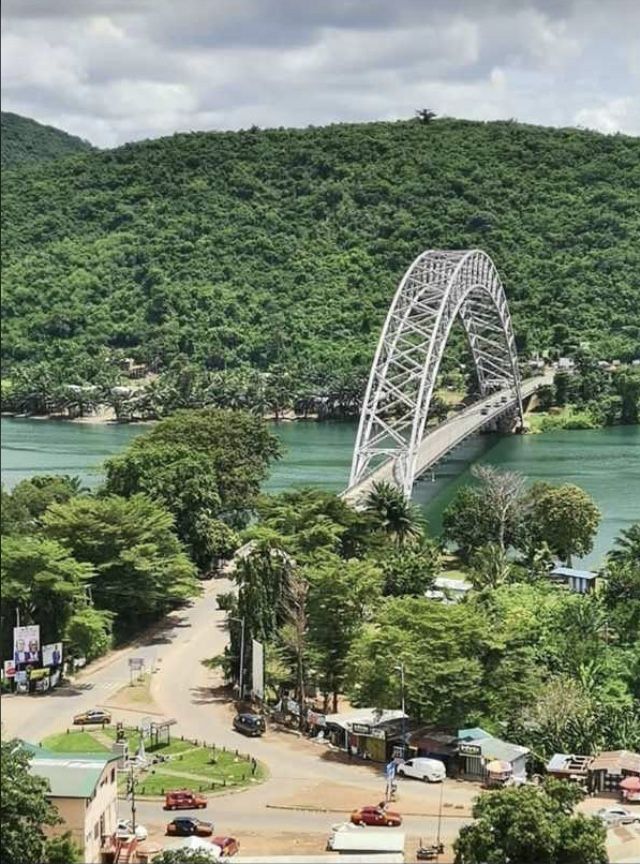
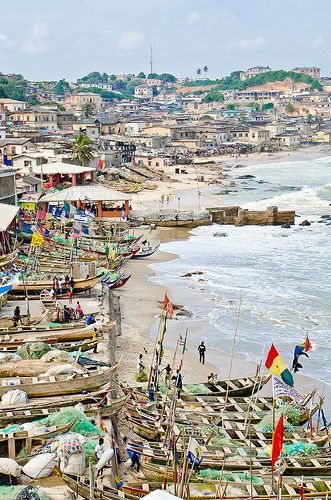
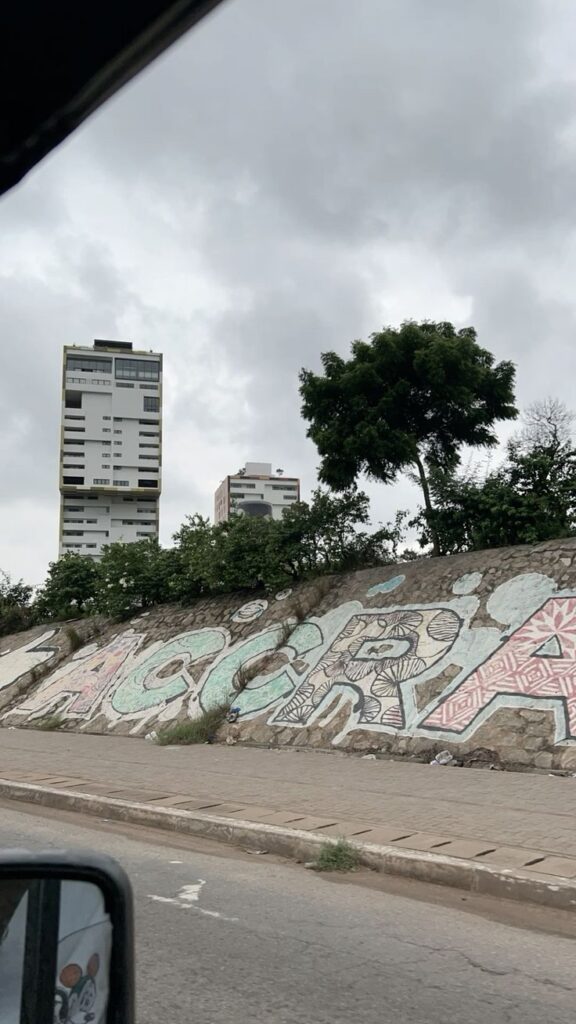
The south and coastal regions experience a bi-modal rainfall pattern — meaning two separate rainy seasons each year rather than one long one. The major rainy season runs from April through June, with May and June seeing the heaviest rainfall. Then there is a brief dry spell in July and August (sometimes called the ‘little dry season’ or ‘August break’). The minor rainy season follows in September and October, with lighter, shorter showers. True dry season arrives in November and lasts through March.
Northern Ghana (Tamale, Mole National Park): One Long Rainy Season
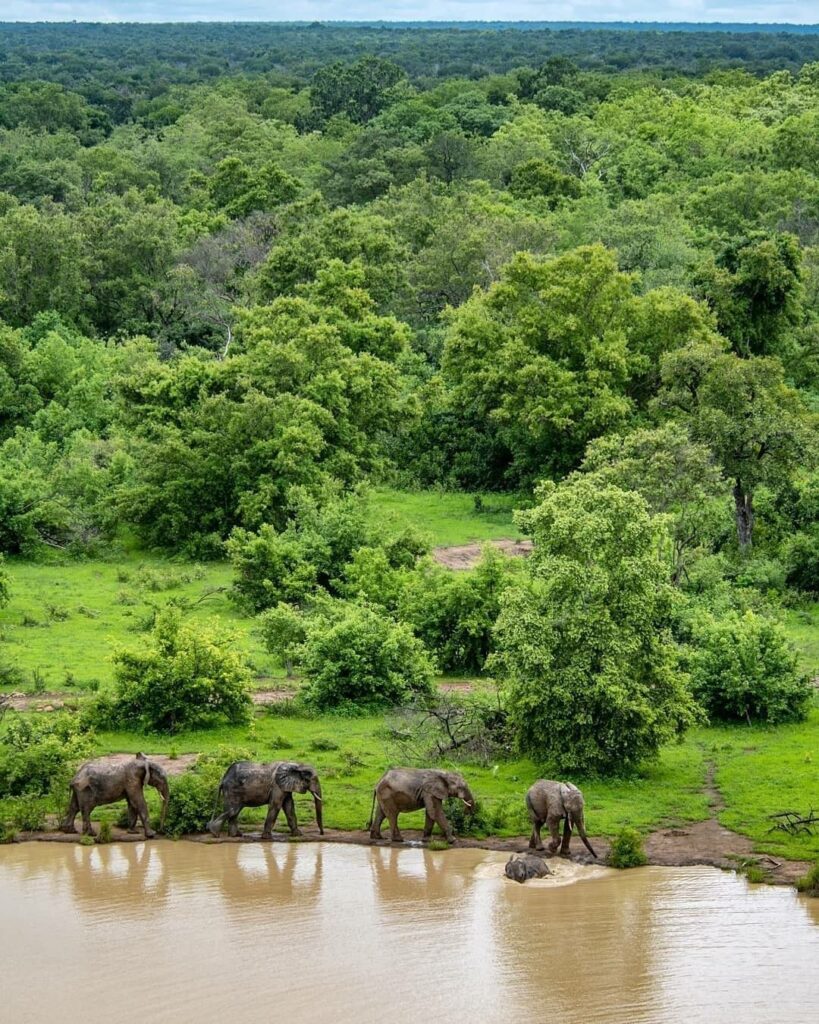
The north has a simpler pattern: one rainy season running roughly from April to October, with peak rainfall in August and September. Outside this window, the north is hot and increasingly dry, particularly from November through March when Harmattan winds blow in from the Sahara. Temperatures in the north can exceed 38°C in March and April before the rains arrive. This makes the north a dramatically different experience depending on when you go.
The Harmattan: Ghana’s Third Weather Phenomenon
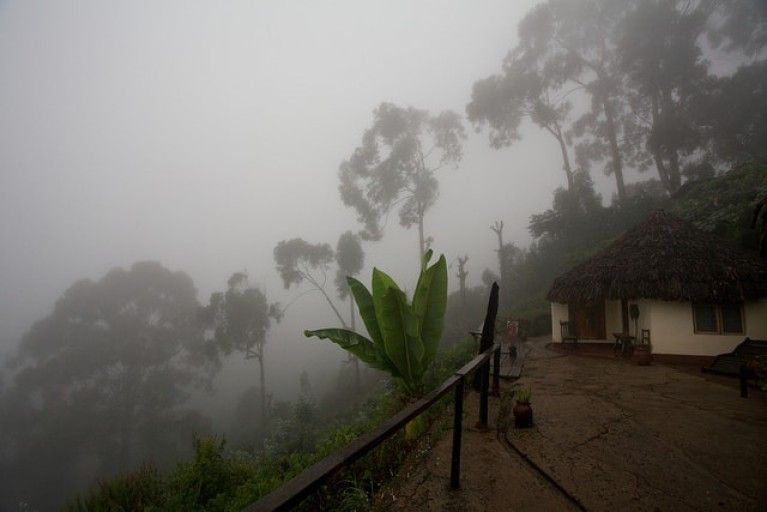
The Harmattan is a dry, dusty wind that blows from the Sahara desert, affecting Ghana from roughly December through February. It is felt most intensely in the north but reaches the south in varying degrees. The Harmattan reduces humidity — which is a relief after the sticky rainy months — but it brings haze, dust, and dry air that chaps lips, dries out skin, and reduces visibility. It can also cause flight delays, particularly in and out of Tamale Airport in the north. Carry lip balm, a nasal spray, and a light scarf for your face if you are visiting during Harmattan.
The ‘Little Dry Season’ in July and August
July and August bring a meteorological quirk to southern Ghana: a brief pause in the rains, sometimes called the August break or the little dry season. Skies clear, temperatures become more comfortable, and travel conditions improve noticeably — even though the north is simultaneously at the height of its rainy season. This window is underrated and underused by international visitors. You get reasonable weather, empty tourist sites, lower prices, and some of Ghana’s best cultural events, including the Chale Wote Street Art Festival in Accra.
The Dry Season (November to March): The Classic Choice
November through March is Ghana’s dry season and the peak period for international tourism. The skies are largely clear, rainfall is minimal across most of the country, roads are in their best condition, and outdoor activities from beach days to safari drives become straightforward to plan around. For a first-time British visitor who wants reliable sunshine and maximum flexibility, this is the window to target.
What the Dry Season Actually Feels Like
Hot. Ghana is always hot — this is a country near the equator — but the dry season brings a different quality of heat from the rainy months. Without cloud cover and humidity, the sun is intense and direct. Daytime temperatures in Accra sit around 30 to 33 degrees Celsius. In the north, temperatures can push above 35 degrees by February and March. Evenings cool to around 24 to 26 degrees in the south, slightly cooler in the north during Harmattan. You will sweat. Pack light, breathable clothing, drink more water than you think you need, and plan outdoor activities for mornings rather than the middle of the day.
The Harmattan Factor: December to February
The Harmattan winds that blow in from December add an interesting dimension to the dry season. In northern Ghana, the Harmattan creates hazy, dust-laden skies that look like a thick fog but are made of fine Saharan sand. This is atmospheric in a way that photographs cannot quite capture, but it also means visibility is reduced, which affects photography, flight schedules, and the experience of viewing landscapes from any kind of distance. In the south and along the coast, the Harmattan is less dramatic but still noticeable — you will find your skin drying out quickly and the air feels dusty rather than fresh. Shea butter (widely and cheaply available across Ghana) is the local solution for skin and lips.
December: The Biggest Month
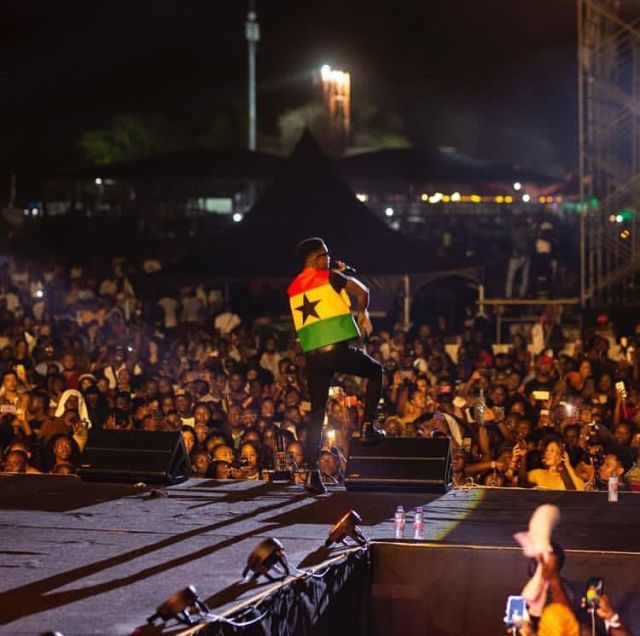
December is Ghana’s most energetic month for tourism, driven in large part by the Ghanaian diaspora returning from the UK, US, and Europe for Christmas and the festival season known as ‘Detty December’. Accra transforms during this period — the city is louder, more vibrant, more expensive, and much busier than at any other time of year. Major music festivals including Afrochella bring top African artists to Accra, and the social calendar is packed with events, parties, and cultural celebrations running through to New Year. If you want to experience Ghana at its most festive and metropolitan, December delivers. Book flights and accommodation several months in advance and expect to pay peak prices.
January and February: The Sweet Spot
Many experienced Ghana travellers consider January and February the true sweet spot of the year. The Christmas crowds have thinned, prices have come down from December peaks, the weather remains excellent with minimal rain and reasonable temperatures, and the Harmattan — while still present — is beginning to ease in the south. February in particular is excellent for hiking in the Volta Region, beach days at Ada Foah or Busua, and exploring Cape Coast and Elmina without the December crush. Wildlife at Mole National Park is superb as the dry conditions push animals toward the remaining water sources, making elephant sightings especially reliable.
March: Hottest Month, Independence Celebrations
March is typically Ghana’s hottest month, with temperatures in the north often exceeding 38 degrees Celsius and even Accra sitting uncomfortably hot by mid-month. It is also when Ghana celebrates its Independence Day on 6 March — a national holiday with parades, ceremonies, and public celebrations in Accra and across the country. For travellers with an interest in Ghana’s history and politics, the Independence Day period is genuinely worth timing a visit around. Be prepared for the heat and plan outdoor activities for early morning only.
The Rainy Season (April to October): Not as Bad as You’ve Heard
The rainy season gets a bad reputation in travel guides, and some of that reputation is deserved — May and June in particular bring heavy, sustained rainfall that can flood urban roads in Accra, turn unpaved rural routes into mud, and make some activities genuinely difficult. But the rainy season is a long window that encompasses some genuinely excellent conditions for travel, particularly from July onwards. Dismissing it entirely means missing out on a version of Ghana that most international tourists never see.
April: Still Accessible, Rains Just Beginning
April is a transitional month. The harmattan has eased, temperatures are high, and the first rains of the year begin arriving — initially as dramatic afternoon thunderstorms rather than sustained rainfall. Mornings are typically clear and excellent for outdoor activities. The rains arrive in the afternoon or evening and clear overnight. For British visitors who are flexible and do not mind planning activities around morning windows, April is still very workable. Prices are lower than dry season and major sites are less crowded.
May and June: The Wet Core — Plan Carefully
These are Ghana’s wettest months in the south, and they require honest planning. Rainfall is heaviest from May through June, with some days seeing multiple downpours and coastal areas occasionally experiencing continuous drizzle that lasts days at a time. Road disruptions are possible, particularly on unpaved routes to rural destinations. Humidity is at its peak. Mosquito activity is higher. That said, the rains follow a fairly predictable pattern — heavy in the afternoon, clearing by evening — and mornings are often clear and cool. Prices drop significantly in May and June, beaches are empty, and tourist sites have almost no queues. For budget travellers who are willing to embrace the conditions and plan around the weather, these months offer genuinely good value.
💡 Rainy season tip: Waterfalls are at their most spectacular in and just after the rainy season. If visiting Wli Falls, Boti Falls, Tagbo Falls, or Kintampo Falls is a priority, late August to October gives you peak flows with improving weather conditions — a genuinely excellent combination.
July: The Underrated Month
July is the most underrated month in the Ghana travel calendar. The August break — that brief meteorological pause in southern Ghana’s rainy season — begins arriving in July, and the weather in the south improves noticeably. Skies clear more often, temperatures become more comfortable than the humid May and June weeks, and the landscape is a vivid, rain-fed green that the dry season cannot match. Prices remain at low-season levels, popular sites are uncrowded, and the country feels calm and unhurried. The north is still rainy in July, so plan accordingly if your itinerary includes Mole National Park.
August: Cultural High Point
August is one of Ghana’s richest months for cultural events. The Chale Wote Street Art Festival takes over the streets of James Town in Accra — an internationally recognised event that brings artists, performers, and creatives from across Africa and the diaspora. The Homowo Festival, the harvest festival of the Ga people of Accra, also takes place in August, a deeply cultural celebration involving specific foods, family gatherings, and traditional rituals. The weather in the south is in the August break — drier and more comfortable than the preceding months — while the north experiences its peak rainfall. For culturally-minded British visitors, August in Accra is quietly excellent.
September and October: The Hidden Gem Window
This is the period that experienced Africa travellers often keep to themselves. September and October sit in Ghana’s ‘shoulder season’ — the second, lighter rainy season is winding down, the landscape is still beautifully green from months of rainfall, waterfalls are at impressive flows, and the tourist infrastructure is ramping up for high season but prices have not yet increased. October in particular offers near-perfect conditions: the rains have essentially stopped in the south, temperatures are comfortable, humidity has dropped from its peak, and harvest festivals including Ngmayem are taking place across the country. There are almost no other international tourists. Hotels are at low-season rates. If you can travel in October, seriously consider it.
Month-by-Month Quick Reference
| Month | Temp (°C) | Rain | Verdict | Best For |
| January | 28–32°C | Very low | ✅ Excellent | Beaches, wildlife, hiking, Mole NP |
| February | 29–33°C | Very low | ✅ Excellent | Beaches, Ada Foah, Volta Region |
| March | 30–36°C | Low | ✅ Good | Independence Day, wildlife, hot |
| April | 29–33°C | Moderate | ✅ Good | Budget travel, morning activities |
| May | 27–32°C | High | ⚠️ Mixed | Budget, waterfalls building, plan carefully |
| June | 26–30°C | Very high | ⚠️ Challenging | Lowest prices, empty beaches, prepared travellers |
| July | 25–29°C | Moderate (S) | ✅ Good | Green landscapes, Accra, low prices |
| August | 26–30°C | Low (S) | ✅ Very Good | Chale Wote, Homowo, waterfalls, culture |
| September | 26–30°C | Low–Mod | ✅ Very Good | Quiet, green, great value, uncrowded |
| October | 27–31°C | Low | ✅ Excellent | Hidden gem — green + dry, harvest festivals |
| November | 28–32°C | Very low | ✅ Excellent | Hogbetsotso, beaches, wildlife improving |
| December | 28–32°C | Very low | ✅ Peak | Detty December, Afrochella, festive, busy |
(S) = Southern Ghana only. Northern Ghana remains rainy July–September.
When to Go Based on What You Want to Do
🦒 Wildlife & Safari (Mole National Park)
Dry season only — specifically December through March. Mole is Ghana’s largest national park and home to elephants, baboons, waterbucks, warthogs, and over 300 bird species. During the dry season, vegetation thins and animals congregate around the remaining water sources, making sightings much more reliable. The wet season makes game drives difficult on unpaved park tracks, and the thick vegetation hides animals effectively. If Mole is a key part of your itinerary, do not visit between June and October.
🏖️ Beach Holidays (Ada Foah, Busua, Anomabo)
November through March. Ghana’s beaches are at their best when the seas are calm and the skies are clear. The rainy season brings rougher Atlantic seas, particularly along the western coast. The August break can offer a brief beach window but the sea conditions are less reliable. For a proper beach holiday, stick to the dry season. Ada Foah on the Volta estuary is a year-round option since it is sheltered, but the coast around Busua and the western beaches are weather-dependent.
🌊 Waterfalls (Wli, Boti, Tagbo, Kintampo)
August to October. The paradox of waterfall tourism in Ghana is that the best flows come after the rains, not during them. The heaviest rainy months of May and June can actually make waterfall hikes hazardous — trails become slippery and swollen rivers make crossings dangerous. By August, the rains have done their work and flows are at peak volume while conditions are becoming safer and more comfortable. October is arguably the ideal month for waterfall visits — impressive flows, drier weather, and virtually no other tourists on the trails.
🎭 Culture & Festivals
Ghana has a rich festival calendar spread across the year. The headline events for British visitors are: Chale Wote Street Art Festival in August (Accra, James Town); Homowo in August (Accra, Ga people harvest festival); Afrochella / Detty December events in December (Accra); Independence Day celebrations on 6 March; Kwahu Easter Paragliding Festival in April; Hogbetsotso Festival in November (Volta Region, Anlo Ewe people); and Ngmayem harvest festival in October. If festivals drive your travel dates, cross-reference this list with your preferred travel window.
🥾 Hiking & Trekking (Volta Region, Mt. Afadjato)
October to February. The Volta Region — Ghana’s most dramatic landscape, home to Mount Afadjato, Tagbo Falls, the Wli waterfalls, and the Tafi-Atome monkey sanctuary — is best explored when the trails are dry and the weather is clear. October and November offer a brilliant combination of post-rain greenery and increasingly dry conditions. January and February are drier still, with excellent visibility for the mountain views. Avoid hiking during the heavy rainy months of May and June — trail conditions deteriorate significantly.
🏛️ History & Heritage (Cape Coast, Elmina, Kumasi)
Year-round, though dry season is more comfortable. Cape Coast Castle, Elmina Castle, the Ashanti cultural sites around Kumasi, and Accra’s historical neighbourhoods like James Town and Jamestown are accessible throughout the year. The dry season makes the experience more comfortable and photography easier, but the historical sites themselves do not close during the rains. If history and culture are your primary focus, you have more flexibility on timing than someone planning beach or wildlife experiences.
Regional Weather: North vs South
One of the most common mistakes British visitors make is treating Ghana as a single climate zone when booking their trip. The north and south can be experiencing entirely different weather simultaneously — planning an itinerary that covers both requires understanding this.
| Month | South (Accra, Cape Coast, Volta) | North (Tamale, Mole NP) |
| Jan–Feb | Dry, warm 28–32°C, Harmattan dust | Dry, very hot 30–36°C, strong Harmattan |
| March | Dry but warming, 29–33°C | Extremely hot 35–40°C, dry |
| April | First rains, afternoon storms | Heat building, first rains arriving |
| May–June | Heavy rain, high humidity | Increasingly rainy, travel gets harder |
| July–Aug | August break — drier, pleasant | Peak rainy season — challenging |
| September | Light rains easing | Rains still heavy, peaking |
| October | Mostly dry, green, excellent | Rains ending, roads improving |
| Nov–Dec | Dry season, ideal conditions | Dry season, good for wildlife |
What This Means for British Visitors Specifically
UK school holiday dates inevitably shape when many British families can travel. Here is how Ghana’s seasons align with the main UK holiday windows:
Summer Holidays (late July to early September)
This lands squarely in Ghana’s August break and the tail end of the minor rainy season in the south. The weather is perfectly manageable — not the dry season, but far from the worst months. Accra and the south are accessible and lively with cultural events. The north is rainy during this period, so Mole National Park trips are better avoided. Overall verdict: good, with some limitations.
October Half Term
October is one of Ghana’s best kept travel secrets and this half term window is genuinely excellent. The rains are ending, the landscape is still vivid and green, waterfalls are flowing, and you will have major attractions largely to yourself at low-season prices. Highly recommended for families and independent travellers alike.
Christmas and New Year
Peak season in both Ghana and the UK travel market. Accra during December is a special experience — festive, vibrant, and full of energy from the diaspora returning home. But expect significantly higher hotel and flight prices and book months in advance. The Harmattan is beginning but has not yet reached its peak intensity in the south. Weather is excellent.
February Half Term
One of the best windows of the year. February is deep in the dry season, Harmattan is easing, temperatures are warm but not extreme, and the post-Christmas rush has cleared. Good availability and better prices than December. Strongly recommended.
Easter Holidays
April falls in the transition between dry and rainy seasons. Early April can still be dry and excellent. By late April, afternoon rains are arriving. The Kwahu Easter Paragliding Festival in the Eastern Region makes April a genuinely interesting time to visit if you want a uniquely Ghanaian Easter experience. Manageable weather overall.
Practical Notes for Any Season
Malaria
Malaria is present in Ghana year-round — the risk does not disappear in the dry season, though it is lower when mosquito populations are reduced. Take anti-malarial medication regardless of when you travel, use mosquito repellent every evening, and sleep under a net or in air-conditioned accommodation where mosquitoes are less active. See your GP or a travel clinic before departure to discuss the most appropriate prophylaxis.
Clothing
Lightweight, breathable, loose-fitting clothing is the answer for every season. In the dry season and especially during Harmattan, add a light scarf for dust protection, and lip balm and moisturiser for the dry air. In the rainy season, pack quick-drying fabrics and a compact waterproof jacket or rain poncho. A pair of sturdy sandals or light trainers handles most situations — save hiking boots for the Volta Region trails.
Photography
The Harmattan (December to February) creates hazy skies that reduce visibility and can make landscape photography disappointing. The best light for photography is October to November — the air is clean after the rains and the sky has that vivid clarity that makes Ghana look extraordinary. The green season (July to September) also produces lush, vivid colours that photograph beautifully, though overcast skies can flatten the light.
Flights and Prices
Peak season flights (November to January) from the UK to Accra are significantly more expensive and need to be booked well in advance. British Airways, Virgin Atlantic, and several African carriers operate direct or one-stop routes from London. The best value flights are typically in May, June, and September — the shoulder and wet season months. If your budget is a priority and your dates are flexible, these months offer the best combination of low airfare and hotel rates.
If you are visiting Ghana for the first time and want the path of least resistance — reliable sunshine, accessible roads, easy wildlife viewing at Mole, and calm beach conditions — book November through February and plan around the Harmattan dust. January and February are our top picks for first-timers.
If you have been before or are a more adventurous traveller who prioritises value, lush green landscapes, and cultural depth over perfect weather, October is our top recommendation. You will have Ghana to yourself, at its greenest, with harvest festivals, flowing waterfalls, and prices that make the dry season feel overrated.
And if your dates are fixed by UK school holidays, the August break window is perfectly workable for a south-focused itinerary, and October half term is genuinely excellent across the board. Ghana is a rewarding destination in every season — understanding what each offers just helps you arrive with the right expectations.
tourispotghana.com | Ghana’s #1 Travel Guide for International Visitors