
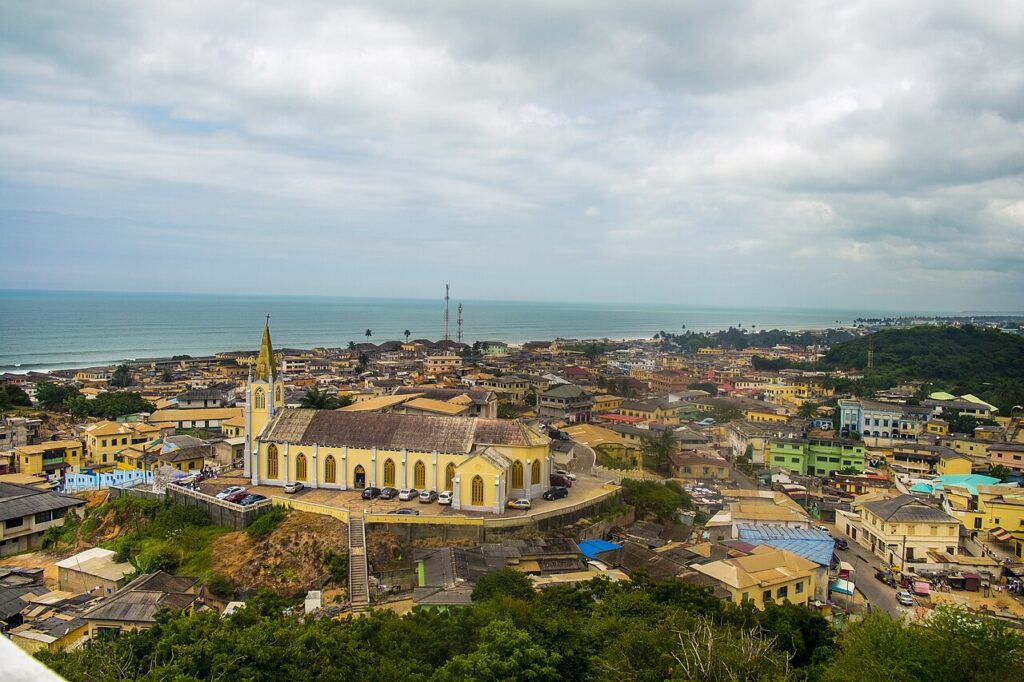
An honest comparison of Ghana’s two most-visited destinations — and why the answer depends entirely on what you’re looking for
Almost every first-time visitor to Ghana faces the same question early in their planning: do I start in Accra or go straight to Cape Coast? It sounds simple but it is actually asking something much bigger — what kind of Ghana trip do you want to have?
Accra and Cape Coast are only about 165 kilometres apart, connected by a journey of two to three hours by road. In physical distance they are neighbours. In atmosphere, pace, purpose, and feel, they could not be more different. Accra is Ghana’s roaring, sprawling capital city — traffic-jammed, sun-baked, cosmopolitan, and vibrant with the energy of three million people living their lives loudly. Cape Coast is a quieter, older town where one of the most important and devastating chapters of human history took place, and where the weight of that history hangs over everything, beautifully and correctly.
The good news: on almost every Ghana trip of a week or more, you should see both. They are not in competition. But the question of which to visit first — and how much time to give each — is worth thinking through properly. This guide breaks it down honestly, category by category.
At a Glance: Accra vs Cape Coast
| Category | 🏙️ Accra | 🏰 Cape Coast |
| Vibe | Energetic, chaotic, cosmopolitan. Ghana on full volume. | Calmer, historic, contemplative. Ghana at a more considered pace. |
| Primary draw | Urban life, food scene, nightlife, modern Ghana, diaspora culture | Cape Coast Castle, Elmina Castle, Kakum National Park, beaches |
| Time needed | Minimum 2–3 full days; 4–5 days to do it justice | 1–2 full days for the main sites; 2–3 days to explore properly |
| Accommodation | Wide range from budget to luxury; most options in Osu, Labone, East Legon | Good mid-range and budget guesthouses; fewer luxury options than Accra |
| Cost level | Higher — capital city pricing, especially for accommodation | More affordable — noticeably cheaper accommodation and food |
| Food scene | Excellent and diverse — local to international, chop bars to rooftop restaurants | Good local food; fewer international options; some excellent seafood |
| Nightlife | Excellent — Accra has one of West Africa’s best nightlife scenes | Limited — a few bars and beach spots; quiet by 11pm |
| History focus | Present-day Ghana, independence era, urban Ga culture | Transatlantic slave trade, colonial history, Fante culture |
| Nature / outdoors | Urban beaches (Labadi, Kokrobite nearby); Aburi Gardens 45 min away | Kakum National Park canopy walk; Elmina beaches; Assin Manso |
| Tourist infrastructure | Excellent — well-developed; Uber, quality restaurants, reliable WiFi | More limited — functional but lower infrastructure density |
| For first-timers? | Good starting point — eases you in; support services are strong | More direct Ghana experience; less hand-holding required |
| Travelling solo? | Easier — more infrastructure, more other travellers, app-based transport | Fine but quieter; fewer other travellers; more dependent on local knowledge |
Accra in Depth
Accra is where most Ghana trips begin and end — the flight lands here, the hotels are here, and the infrastructure that makes a first-time visitor feel comfortable is concentrated here. But Accra is much more than a logistics hub. It is a genuinely fascinating city that has been growing and changing at speed, particularly over the past decade, with an increasingly confident restaurant scene, art culture, and creative economy.
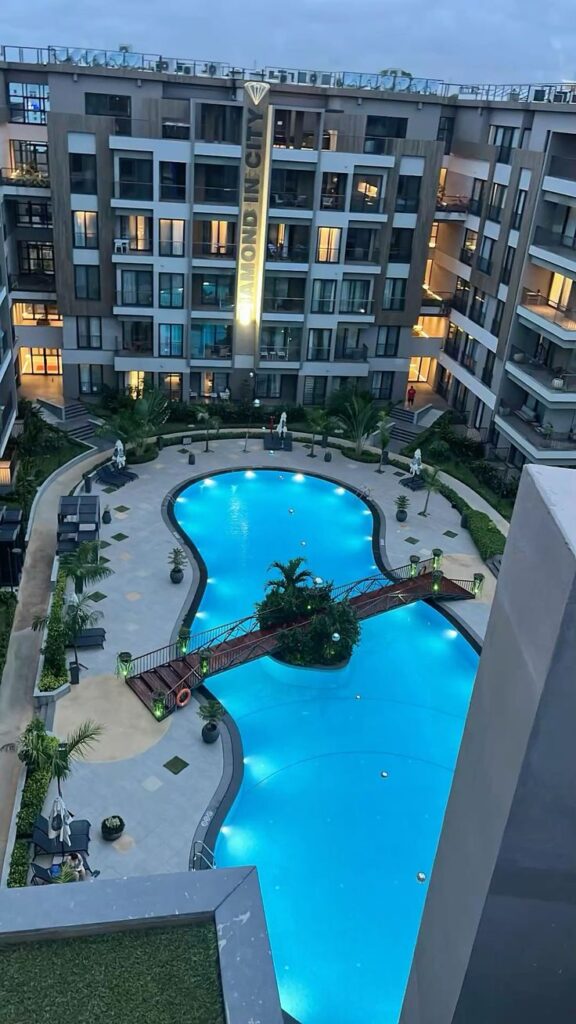
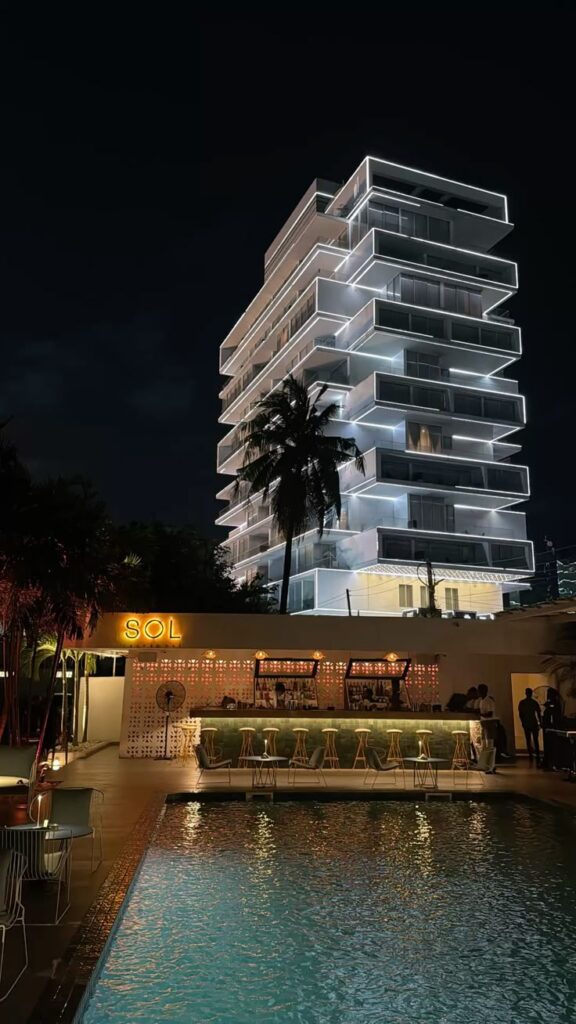
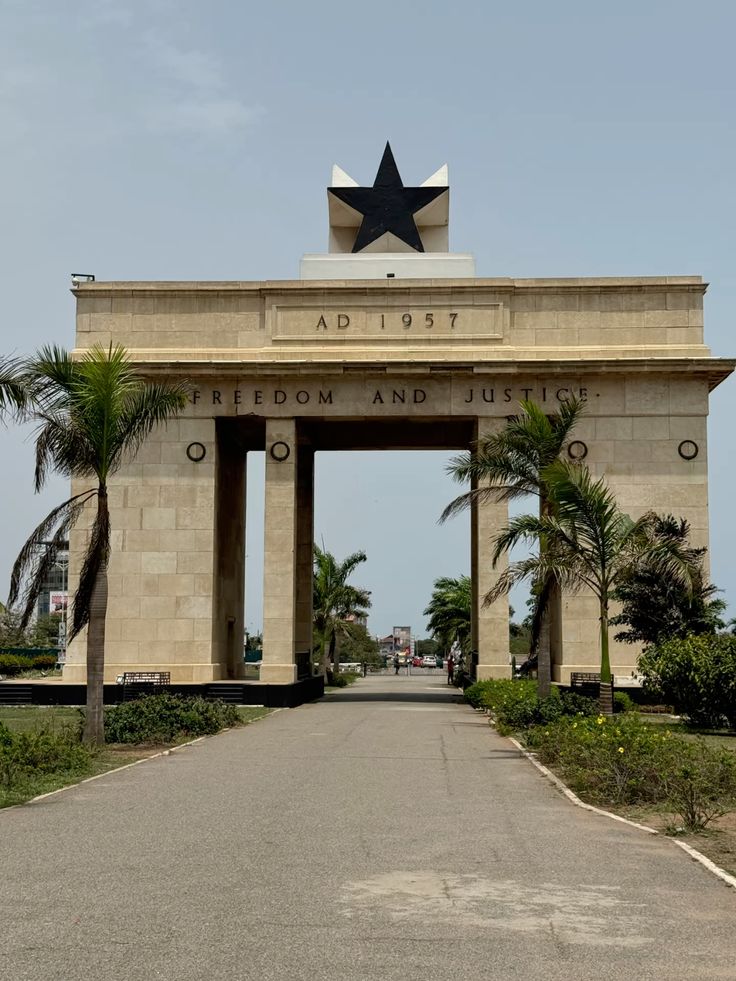
The city is sprawling and does not have a neat centre. Different neighbourhoods have different characters and are best understood individually. Osu, along Oxford Street, is the tourist-friendly hub with restaurants, bars, and craft markets. Labone and Cantonments are quieter, residential, and safer for walking. East Legon is upscale with shopping malls and good restaurants. Jamestown is the historic fishing district — Ghana’s oldest neighbourhood — where the lighthouse, boxing gyms, and street art sit alongside the Ga community’s daily life. Makola Market is the beating commercial heart: overwhelming, colourful, and completely alive.
What to Do in Accra
| Kwame Nkrumah Mausoleum | The resting place of Ghana’s founding father and the symbolic heart of Ghanaian independence. Beautiful grounds, an informative museum, and genuine emotional resonance. One of the most important sites in modern African history. |
| Jamestown Lighthouse & district | The oldest part of Accra, home to the Ga fishing community. Walk the streets, visit the lighthouse for panoramic views, find the boxing gym that has produced multiple African champions, watch the canoes return with the morning catch. |
| Makola Market | Accra’s main market — an assault on the senses in the best possible way. Fabric, food, household goods, electronics, and everything else sold across multiple city blocks. Keep your bag close and your phone in your pocket. |
| National Museum of Ghana | Relatively small but well-curated. A good introduction to Ghana’s history, art forms, and regional cultures before you visit the sites themselves. Give it 90 minutes. |
| Arts Centre / Culture Centre | The city’s main craft market, selling kente cloth, carvings, jewellery, and drums. Prices are negotiable; quality varies; go with time to browse and compare. |
| Labadi Beach | Accra’s most popular paid beach — lively on weekends, with food vendors, music, and people watching. Entry fee (approximately GHS 40–60). Not for swimming — currents are strong — but excellent for atmosphere. |
| Osu Oxford Street | The most tourist-accessible stretch in Accra, lined with restaurants, bars, craft shops, and people. Good for an evening walk, dinner, and getting your bearings. |
| Chale Wote Street Art Festival (August) | One of West Africa’s most vibrant art events, transforming Jamestown into an open-air gallery for three days. Free entry. Unmissable if you are in Accra in August. |
| W.E.B. Du Bois Centre | The home and final resting place of the great African-American scholar and Pan-Africanist. A small but moving museum, particularly meaningful for African-American and Black British visitors retracing connections to the continent. |
| Aburi Botanical Gardens (45 min away) | A beautifully maintained garden in the hills above Accra, offering cool air, shade, and Ghana’s most pleasant outdoor walking. An excellent half-day escape from the city heat. |
Accra’s Food Scene: Why It Deserves Its Own Section
Accra has quietly become one of the most interesting food cities in West Africa, and for British visitors who enjoy eating well, it deserves genuine attention. The range runs from extraordinary chop bars serving GHS 20 plates of waakye and jollof to rooftop restaurants in Osu with wine lists and tasting menus. The middle ground — sit-down Ghanaian restaurants where you eat grilled tilapia with banku and okra stew, or pepper soup, or red-red — is where the best value and most authentic experience lives.
Specific areas worth eating in: Oxford Street in Osu for variety and late-night options. Labone for quieter, higher-quality restaurants with better service. The beach clubs on the road towards Labadi for fresh fish and cold beer by the ocean. Do not spend most of your meals in your hotel restaurant — the independent scene is much better.
Accra’s Nightlife
Accra has one of the liveliest nightlife scenes in West Africa and it is worth experiencing at least one evening out, particularly if you are visiting during Detty December (the December festival season) when the city operates at extraordinary intensity. Afrobeats, highlife, and Afropop fill clubs and bars across Osu and Airport Residential. The crowd is mixed — Ghanaians, diaspora visitors, expatriates, and tourists. Fridays and Saturdays are the main nights. Use Uber or Bolt to get home — do not walk at night in Accra.
Practical Accra: What to Know
| Best neighbourhoods to stay | Osu (most convenient for visitors), Labone (quieter and residential), Airport Residential (good for first nights, near hospital and transport) |
| Getting around | Uber and Bolt are reliable and affordable — use these for all in-city travel. Avoid street taxis if you can; if you use them, agree the price before getting in. |
| Traffic | Accra’s traffic is genuinely challenging, especially at morning and evening rush hours. Allow double the time Google Maps suggests for any journey between 7–9am and 4–7pm. |
| Safety | Osu, Labone, Cantonments, and Airport Residential are safe for walking during daylight. Do not walk after dark anywhere. Avoid Nima, Agbogbloshie, and Ashaiman. |
| Cash and ATMs | ATMs widely available — use ATMs inside bank branches or shopping centres (Accra Mall, Marina Mall, Junction Mall). Use Starling or Monzo for fee-free withdrawals. |
Cape Coast in Depth
Cape Coast is a different Ghana from Accra. The city is smaller, the pace is slower, and the reason most international visitors come here is direct and profound: to stand inside Cape Coast Castle and Elmina Castle and to confront the history of the transatlantic slave trade in the places where it happened. For British visitors specifically, this history carries particular weight — Britain was among the dominant powers in the Atlantic slave trade, and the castles on this coastline were British-administered for much of their operational history.
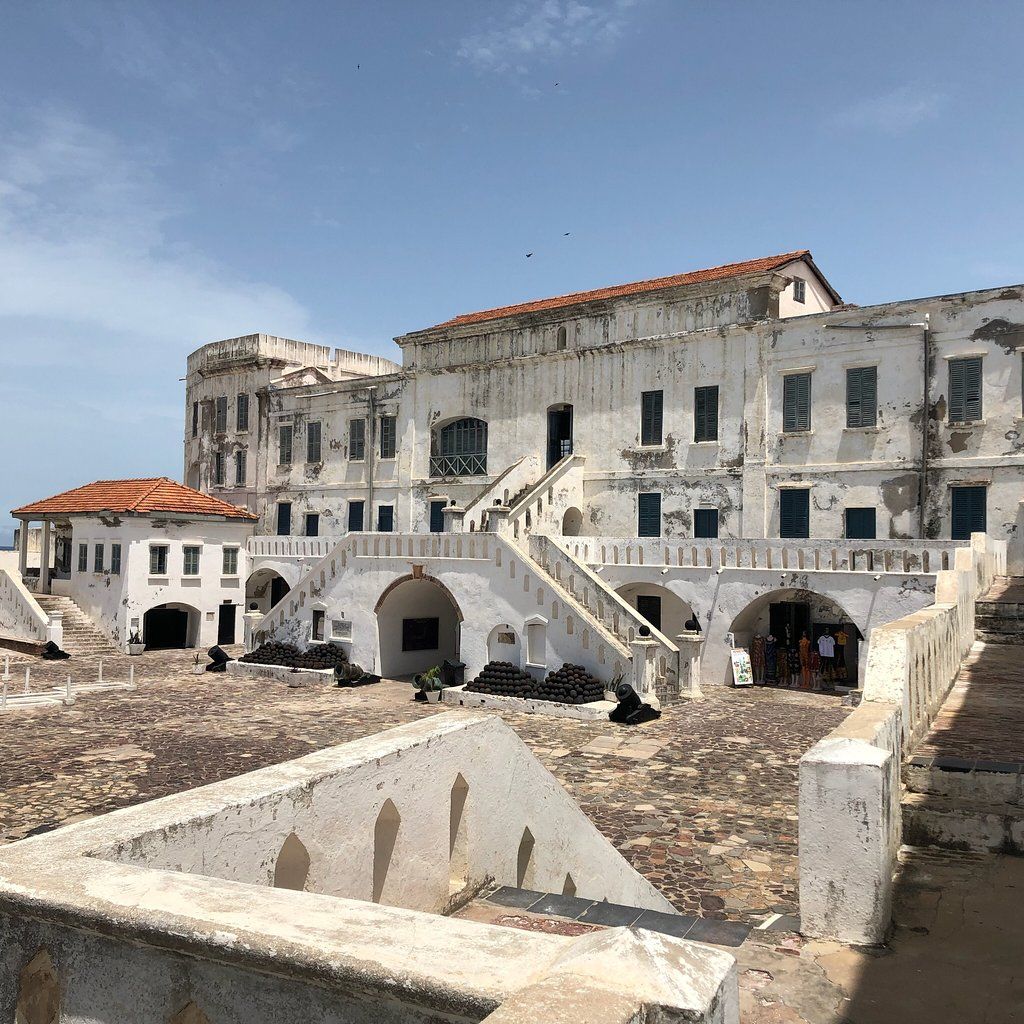
The coastline between Cape Coast and Elmina is sometimes called the ‘Slave Coast’, a stretch of approximately 15 kilometres where multiple castles and forts served as holding points for enslaved Africans before the Middle Passage to the Americas. Cape Coast Castle and Elmina Castle are the two most significant and best preserved. Visiting both in a single day is standard; combining with Kakum National Park makes for a full and emotionally varied day.
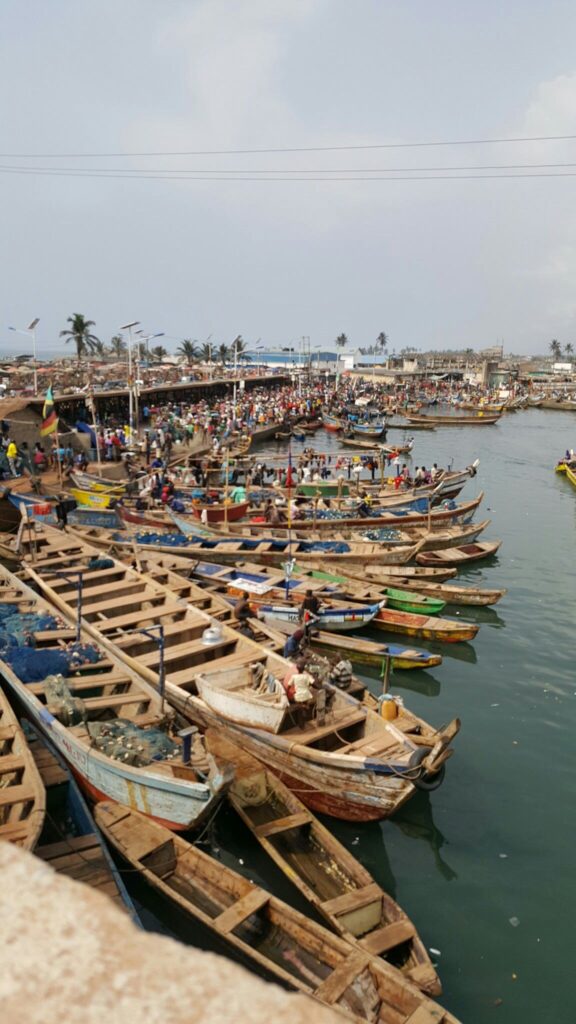
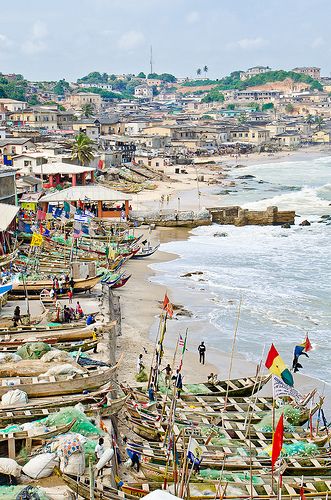
Cape Coast itself as a town is pleasant, with a relaxed energy and a fishing port whose painted canoes and daily catches give it a colour and life that feels genuinely uncurated. It lacks Accra’s infrastructure but gains in authenticity what it loses in convenience.
What to Do Around Cape Coast
| Cape Coast Castle | UNESCO World Heritage Site. One of the largest slave castles on the West African coast, built by Swedish traders in 1653 and later controlled by the British. The guided tour through the dungeons, the Door of No Return, and the museum above is one of the most powerful and important experiences available to any visitor to Ghana. Allow 2–3 hours minimum. Book a guide — the guided tour transforms the experience. |
| Elmina Castle | The oldest European building in sub-Saharan Africa, built by the Portuguese in 1482 — 40 years before Cape Coast Castle. If anything, Elmina’s dungeons are more harrowing in atmosphere than Cape Coast’s. The town of Elmina around the castle is beautiful, with colourful fishing boats and a sense of layered history. 15 km west of Cape Coast, easily combined in the same day. |
| Kakum National Park | A 360-square-kilometre tract of tropical rainforest, famous for its canopy walkway — seven bridges suspended 30 metres above the forest floor, crossing 350 metres through the treetops. For anyone with reasonable head for heights, it is extraordinary. The park also has over 260 confirmed bird species for birdwatchers, guided forest walks, and research into some of Ghana’s rarest wildlife including forest elephants and bongo antelope. |
| Assin Manso Ancestral River Park | Approximately 40 km from Cape Coast. The site where enslaved Africans were given their last bath before the march to the coast castles. A burial site for repatriated remains of diaspora Africans who have returned in death. Deeply moving and largely unknown to casual visitors — worth the extra drive for those who want to understand the full arc of the slave trade route. |
| Hans Cottage Botel | A hotel and restaurant on a lagoon where Nile crocodiles bask in the afternoon sun, apparently in peaceful coexistence with the establishment’s guests and ducks. An incongruous and genuinely memorable experience — stop for lunch between sites. |
| Cape Coast beaches | Several beach resorts near Cape Coast offer calmer and more pleasant beach conditions than Accra’s Labadi Beach. Anomabo Beach Resort and Coconut Grove Beach Resort are both popular. Swimming is possible at calmer points but currents can be strong — always check conditions. |
| Coastal fishing villages | The coastline west of Elmina towards Shama and east towards Saltpond is lined with small fishing communities that see very few international visitors. Driving or cycling along the coastal road rewards patience with extraordinary scenes of daily maritime life. |
💡 On visiting the castles: Do not treat Cape Coast Castle or Elmina Castle as just another tourist attraction. These were places of documented atrocity. Go prepared for the weight of it — many visitors find themselves unexpectedly emotional. That is appropriate. Go with a guide. Listen. The experience is one of the most important things travel can offer.
Practical Cape Coast: What to Know
| Getting there from Accra | VIP Bus from Accra’s Neoplan bus station or STC — approximately GHS 30–50 (£1.50–£2.50), 2.5–3 hours. Private hire car from Accra is approximately GHS 400–600 (£20–£30) one way, or GHS 600–900 (£30–£45) as a day return with waiting time included. |
| Time needed | Cape Coast Castle + Elmina Castle comfortably fills a full day. Adding Kakum National Park requires an early start (Kakum is best in the morning before the heat). Assin Manso adds 1.5–2 hours of additional driving. Ideally: 2 full days based in Cape Coast. |
| Getting around locally | Bolt operates in Cape Coast. Shared taxis and tuk-tuks (locally called ‘pragya’) are also available and cheap. The town centre is small enough to walk. |
| Accommodation | Good range of guesthouses and mid-range hotels. Oasis Beach Resort, Coconut Grove Beach Resort, and Mighty Victory Hotel are all reliable options. Book in advance for weekends. |
| Food | Local restaurants serve excellent Ghanaian food at lower prices than Accra. The outdoor restaurants near the fishing harbour are good for fresh fish. Do not expect much in the way of international cuisine options. |
So: Which Should You Visit First?
Here is the honest answer: it depends on what kind of traveller you are and what you want your first impression of Ghana to be.
Start in Accra if…
- This is your first time in West Africa and you want to ease in gradually — Accra’s infrastructure, Uber, good hotels, and international food options provide a gentler landing.
- You are particularly interested in modern Ghana — its music, food, art, diaspora culture, and urban energy. Accra shows you Ghana in motion.
- You are travelling solo and want the security of a city where app-based transport and well-signposted tourist areas are readily available.
- You are arriving on an overnight flight and need a day or two to recover before moving on — Accra is a better base for that than Cape Coast.
- Your trip is during December (Detty December season) — Accra is where the action is and you will want to be there for it.
Start in Cape Coast if…
- History and heritage are the primary reason for your Ghana trip. If you have come specifically to visit the castles, go there first while your focus and emotional energy are highest.
- You prefer quieter, more reflective travel — Cape Coast’s pace and atmosphere suit visitors who want to think and absorb rather than be swept along by urban energy.
- You are part of the African diaspora visiting for roots tourism or heritage connection — the castles, Assin Manso, and the slave trade route deserve your full attention and should come first.
- You have limited time (5 days or fewer) — Cape Coast’s main sites are concentrated and efficient to visit; Accra rewards more time.
The Practical Answer for Most British Visitors
Most British visitors to Ghana arrive in Accra, spend 2–3 days in the capital getting their bearings and seeing the city’s highlights, then take a day trip or short overnight to Cape Coast and the Central Region before returning to Accra for their final day and departure. This is the most logical itinerary for a 7–10 day trip and it works well.
The one adjustment worth making to this standard structure is to give Cape Coast more than a day trip. The castles themselves warrant a full day, and adding Kakum National Park and Assin Manso pushes you to needing at least one night in or near Cape Coast. Driving to Cape Coast, rushing through the castles, and driving back to Accra the same day compresses the experience in a way that does not do justice to what you are seeing.
Sample Itineraries
7 Nights: First-Timer’s Ghana (Accra-First)
| Days 1–2: Accra arrival | Settle in. Osu walk, dinner on Oxford Street, recover from flight. Aburi Botanical Gardens on Day 2 afternoon if feeling up to it. |
| Day 3: Accra deep dive | Kwame Nkrumah Mausoleum, Jamestown, National Museum. Evening: dinner at a proper Ghanaian restaurant in Labone. |
| Days 4–5: Cape Coast | Drive or bus to Cape Coast. Day 4: Cape Coast Castle (morning, allow 3 hours) + Elmina Castle (afternoon). Night in Cape Coast. Day 5: Kakum National Park (morning) + Assin Manso (afternoon). Return to Accra evening or stay a second night. |
| Day 6: Accra markets and food | Makola Market, Arts Centre. Afternoon: beach at Labadi or rest. Evening: best meal of the trip — try Mr. Bigg’s or a proper chop bar. |
| Day 7: Accra buffer + departure | Last-minute shopping, any missed sites, airport for evening flight. |
10 Nights: The Richer Version
| Days 1–2: Accra | Arrival, orientation, Jamestown, Osu. |
| Days 3–4: Accra further afield | Kwame Nkrumah, National Museum, Aburi Gardens, W.E.B. Du Bois Centre, Labadi Beach. |
| Days 5–7: Cape Coast & Central Region | 3 nights based in Cape Coast. Both castles, Kakum, Assin Manso, coastal drive to Elmina fishing port, visit a fishing village. |
| Days 8–9: Volta Region or Kumasi | Extension to Boti Falls and Volta Region, or to Kumasi for the Ashanti cultural experience. |
| Day 10: Return Accra, evening departure | Final shopping, buffer day. |
The Honest Verdict
Accra and Cape Coast answer different questions. Accra asks: what is Ghana today? Cape Coast asks: how did the world that made today’s Ghana come to be? Both questions matter. Both deserve time and attention.
For British visitors in particular, Cape Coast is arguably the more important destination — not just historically but personally. The British role in the transatlantic slave trade is not a distant abstraction when you are standing in the dungeons of Cape Coast Castle, which operated under British administration for most of its working life. Whatever your prior knowledge of this history, being in the place where it happened changes how you hold it.
But Accra surprises people. Many visitors expect a capital city and find something more textured — a city of genuine creative energy, extraordinary food, deep warmth in ordinary interactions, and a sense of a country that is figuring out its future with real confidence and noise. Spend time there. Eat well. Take Uber everywhere at night and walk the neighbourhoods during the day. Let it confuse and impress you in equal measure.
In the end, the right answer to ‘Accra or Cape Coast first?’ is almost always ‘both, and not just for a day each.’ Ghana rewards the visitor who goes slower, stays longer, and arrives at each place with room to actually be there.
tourispotghana.com | Ghana’s #1 Travel Guide for International Visitors